



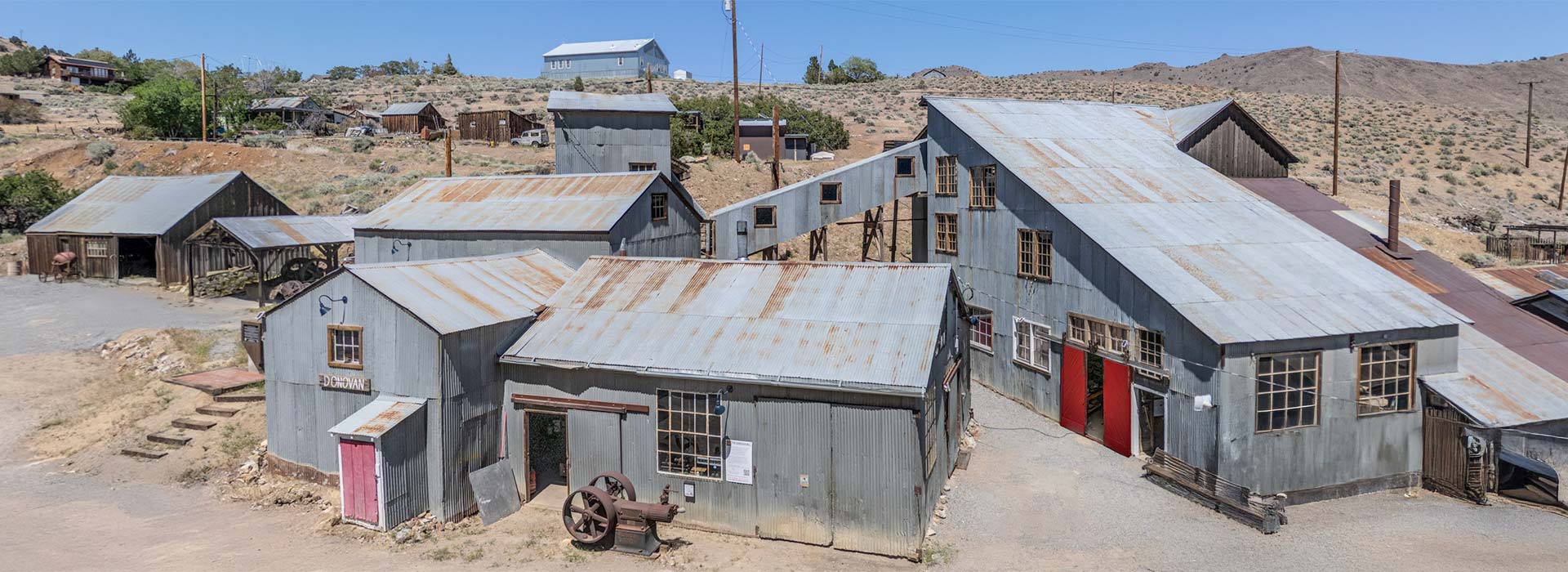
01 Sep The Donovan Mill
The Donovan Mill in Silver City began milling ore for gold and silver in 1861, and continued in operation until 1959. It was the longest running stamp mill on the Comstock, and is today one of the largest historic stamp mills in the nation. Of the more than 200 mills operating on the Comstock during the last century and a half, the Donovan Mill is one of only four remaining.
The Comstock Foundation for History and Culture purchased the Donovan in 2014 and saved it from being sold off piece by piece. Since then, tens of thousands of dollars—and tens of thousands of volunteer hours—have been spent on restoration of the mill.
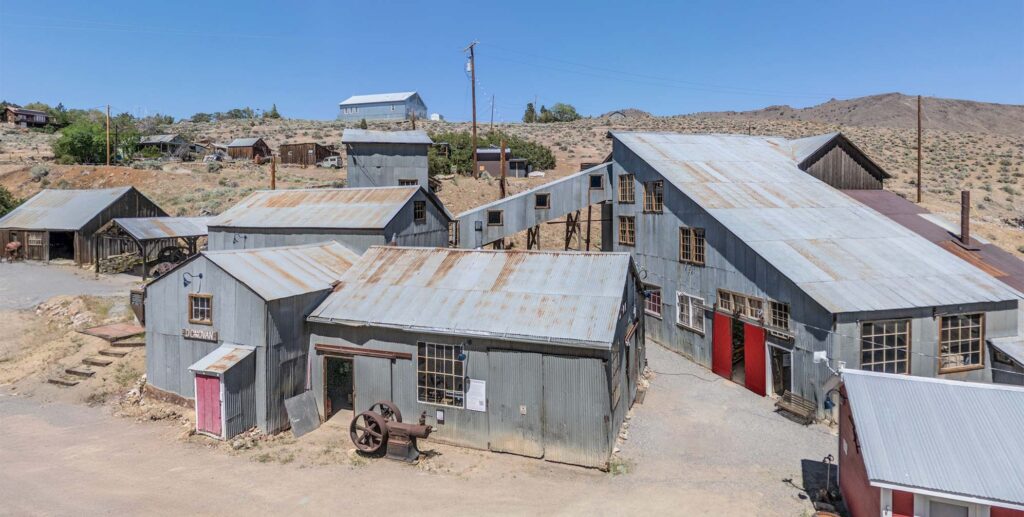
Click the image above to enter the virtual-reality tour.
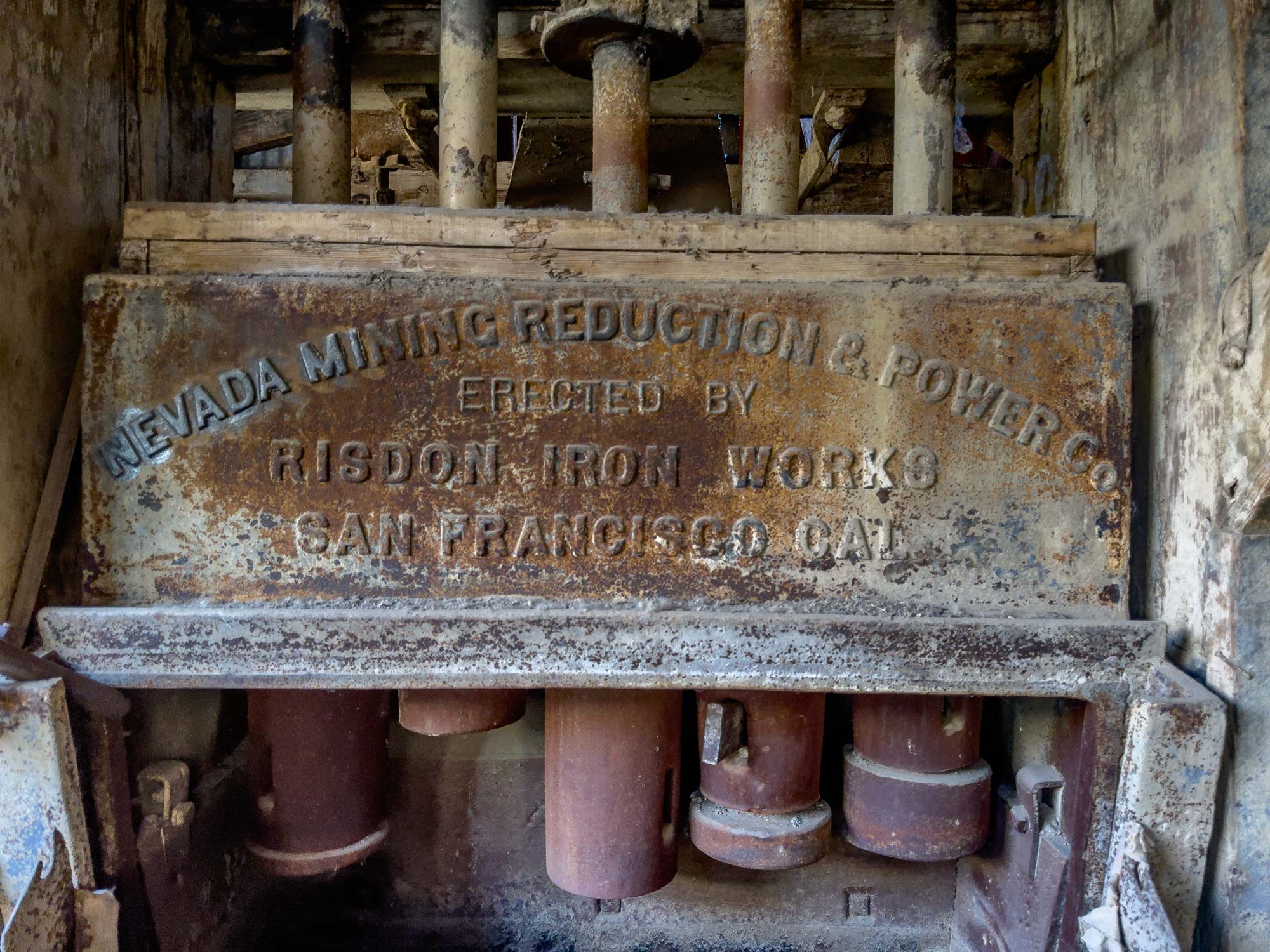
Enter the stamp mill, where the milling machinery may be seen—and heard—in operation.
The story of the Donovan Mill reflects the technological ingenuity, unstable economic cycles, and resilient community spirit that have defined Nevada’s mining history.
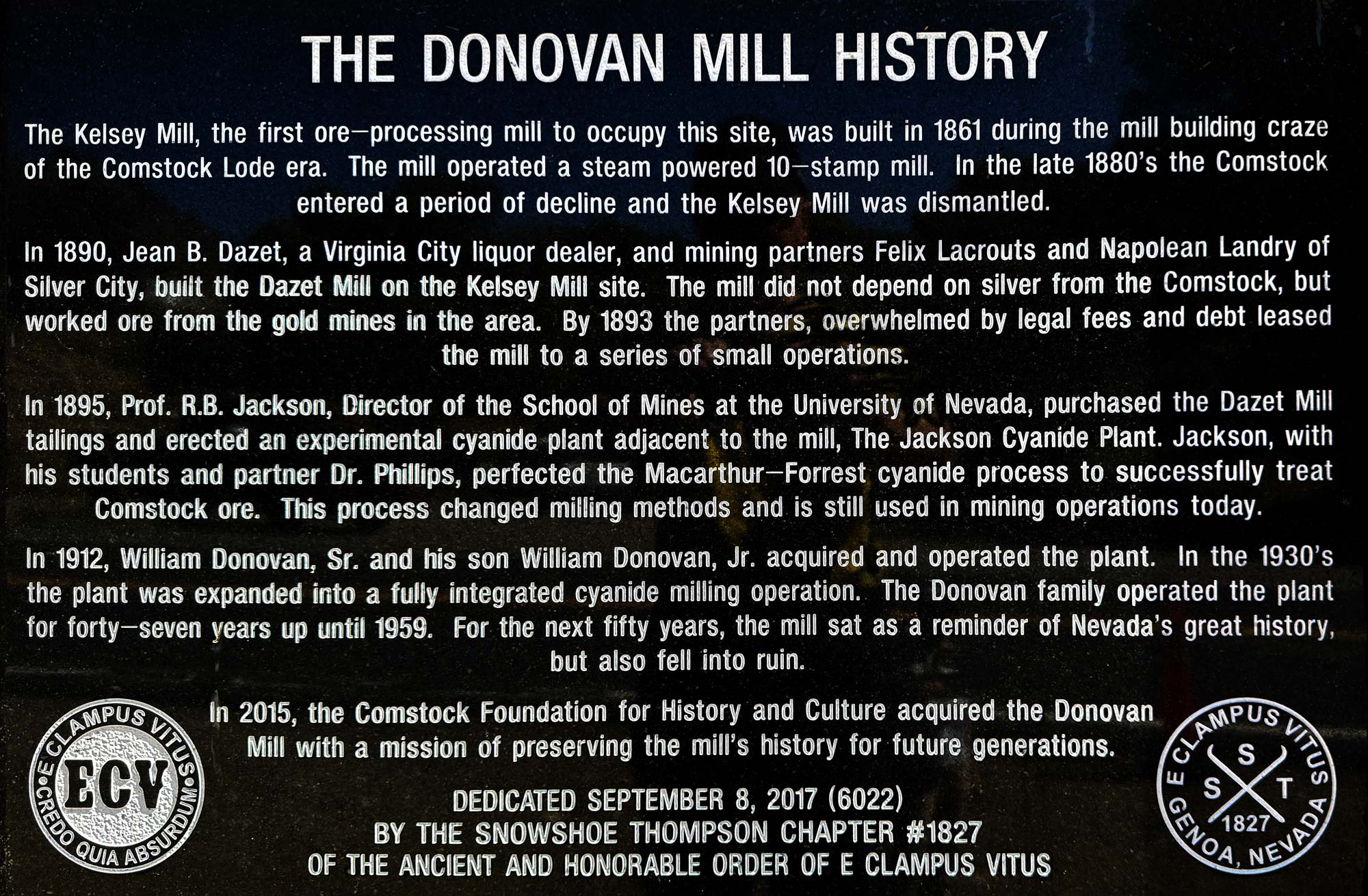
The mill’s origins stretch back to the early days of the Comstock Lode—a period marked by feverish speculation and the rapid rise of mining towns. Silver City, founded in 1859, quickly blossomed into a thriving community of some 1,500 residents by 1861, when Melville Kelsey purchased land for $1,500 and built the Kelsey Mill to serve the burgeoning local mines.
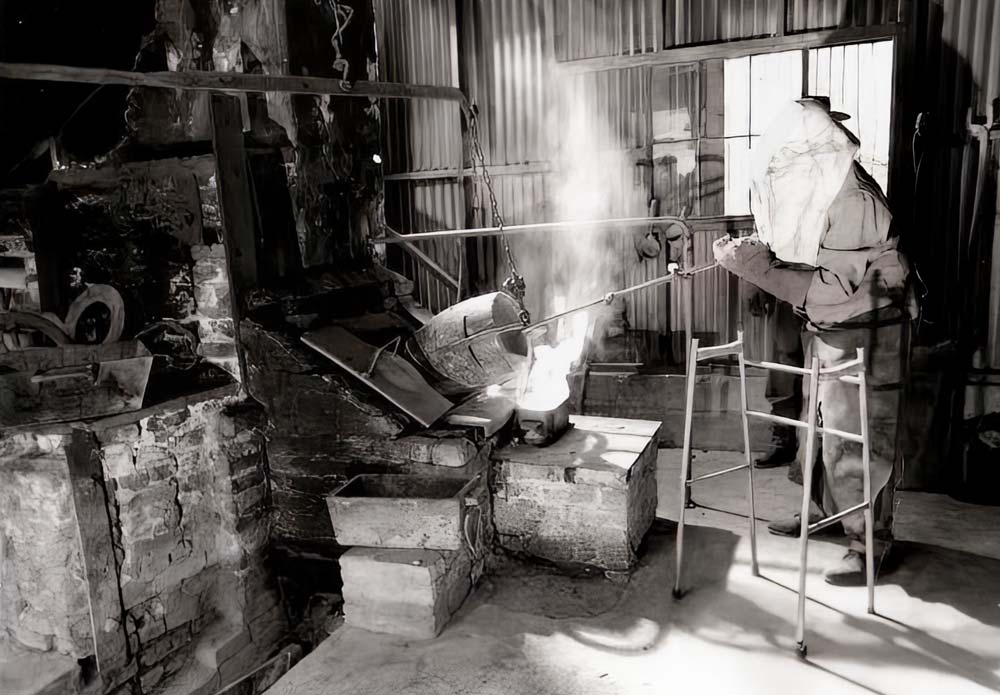
This 15-stamp mill was powered by a 40-horsepower boiler and used the Washoe pan amalgamation process—using mercury, salt, and copper sulfate to extract precious metals from the ore. The Kelsey Mill changed ownership multiple times before being dismantled during the economic downturn of 1878, the final year of the Comstock’s Bonanza.
The region’s fortunes waned, population numbers dwindled, and even the railroad removed its spur. However, the site of the Kelsey Mill was to continue to play a pivotal role in the district.
In 1890, Felix Lacrouts and Napoleon Landry discovered a rich gold and silver deposit in the American Ravine and formed the Independent Mining Company. They soon began the construction of the Dazet Mill on the Kelsey Mill rock foundations, naming the new venture after its major financial backer, Virginia City liquor dealer Jean B. Dazet.
At first a five-stamp mill with copper amalgamation plates for gold recovery, it was upgraded to ten stamps the following year. The Dazet Mill, integrated into the later Donovan Mill complex, is noted in our VR tour.
But before long, simmering disputes about the mill’s profits nearly escalated into gunfights. Weapons were drawn when rival claimants and their hired supporters engaged in open confrontations. This volatile atmosphere was not unusual for Western mining towns in the nineteenth century.
This video showcases the mill’s 925 Ingersoll Rand 55 horsepower oil engine. The machine has a four-stroke cycle, a 12.75- inch bore and a 14-inch stroke. The machine was used in the Belmont Mill near Hamilton, Nevada to generate electricity for the mill. The machine was donated by the Betty Keife Trust and was rebuilt by Comstock Foundation volunteers.
In 1895, University of Nevada, Reno (UNR) Professor Robert D. Jackson implemented the first successful use of the MacArthur-Forrest cyanide process on the Comstock’s difficult-to-treat gold and silver tailings using the waste from other mills. The process extracted gold and silver by converting the metals to a water-soluble mixture by exposing the ore to cyanide. This was the first time the cyanide process was used successfully in Nevada, and components of the process are still in use today. In 1898, Professor Jackson purchased the Dazet Mill.
The Donovan Family Legacy
The arrival of William Donovan Sr. ( c. 1857-1931), an Irish immigrant and seasoned Comstock miner, marked a turning point. By 1912, Donovan Sr. had purchased the property, and using knowledge gained managing other mining interests, turned the mill into a profitable venture.
His son, William Donovan Jr. (1893-1972), educated at UNR’s Mackay School of Mines, became the technological steward of the property. He orchestrated continuous expansions and was keenly attuned to emerging innovations. He ushered in an era that witnessed new engineering approaches and resilience through economic hardship.
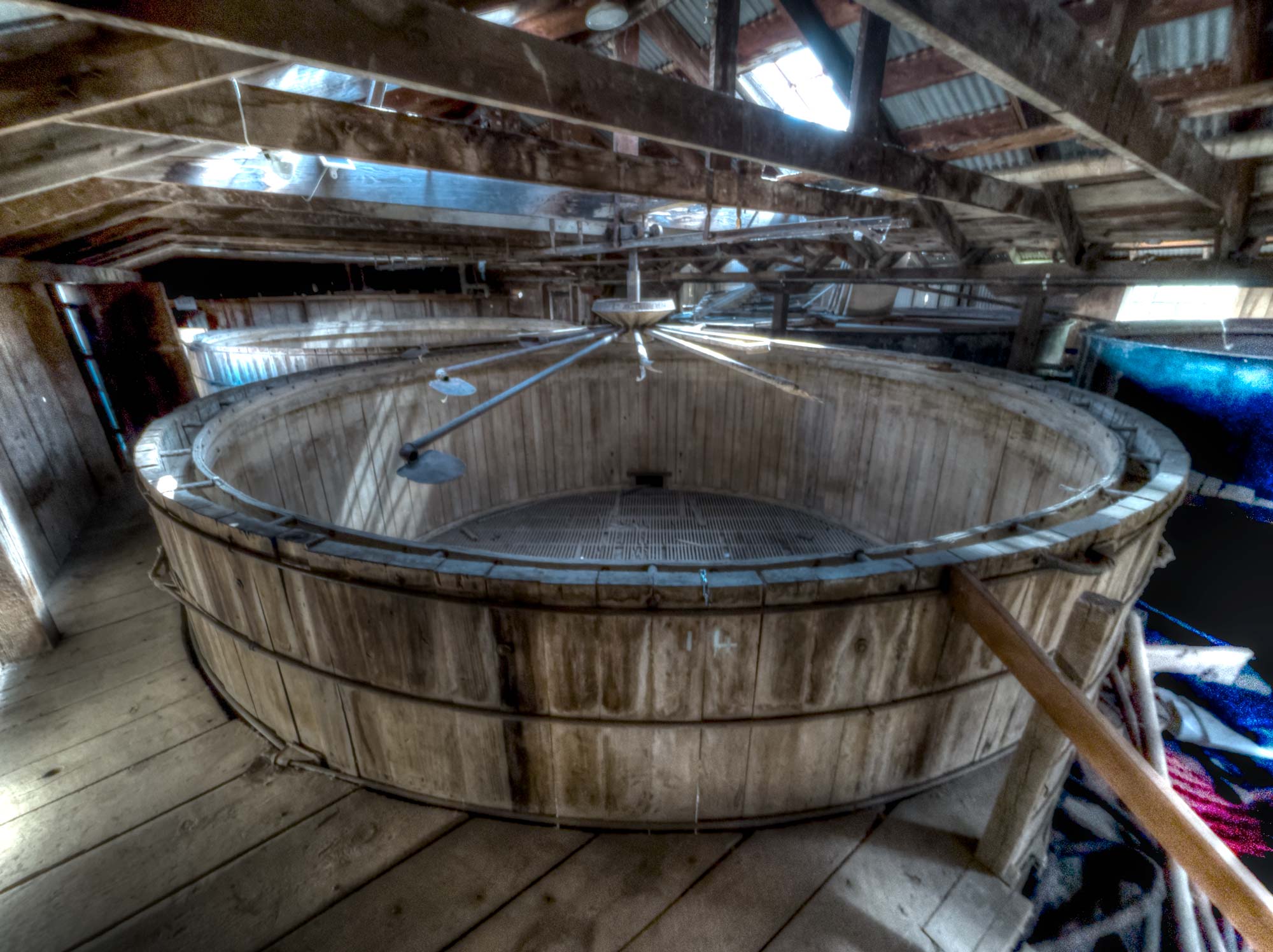
The Donovan Mill’s most lasting contributions were due to UNR Professors Jackson and Phillip’s continuing role in perfecting the cyanide process for gold and silver extraction—a process requiring scientific experimentation and acute understanding of metallurgy. In the 1930’s William Jr. transformed the mill into a fully integrated cyanide operation, installing massive 145,000-gallon leaching tanks – noted in the VR tour—and advancing the ore-handling machinery. The site is recognized internationally for these innovations, as millions of dollars’ worth of ore passed through the machinery enroute to market.
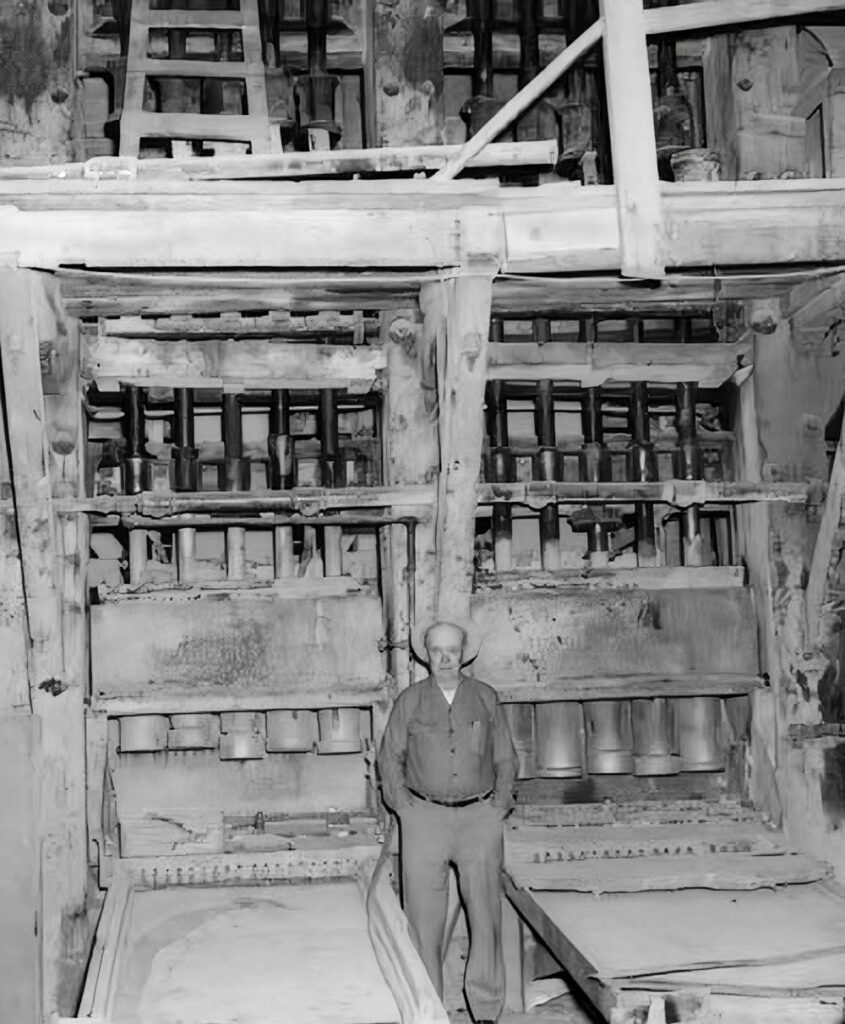
The mill’s adoption of the Merrill-Crowe cyanide process and subsequent technological upgrades reinforced its reputation as a center of mining ingenuity. In the face of environmental challenges, such as accusations of contaminating farmland with mining refuse, the Donovan family negotiated solutions to reroute waste and maintain harmony with neighboring farmers.
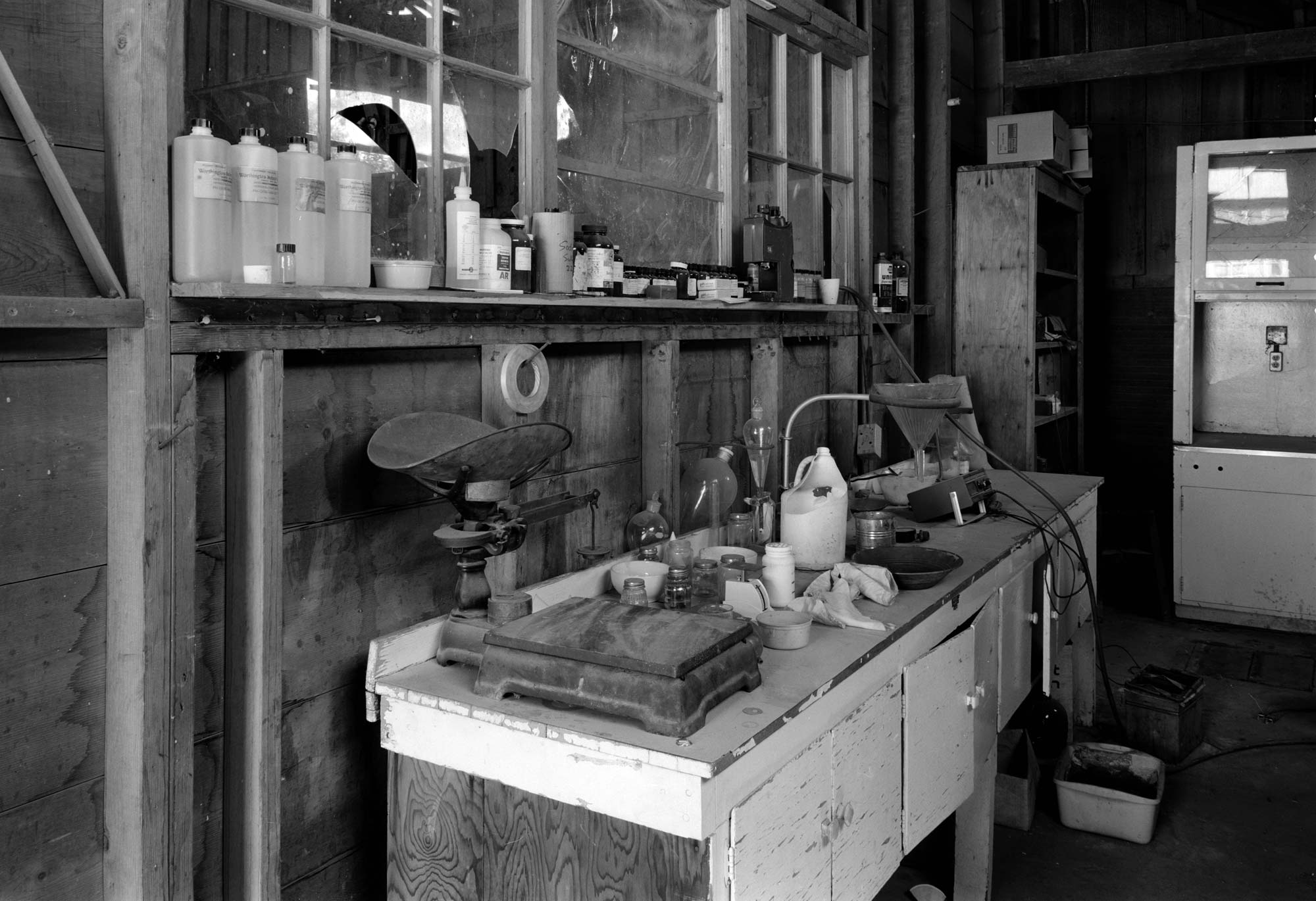
Speaking of harmony, the full partnership between William Jr. and his wife Gladys (Wittenberg), is notable, as she was the only female mill owner on the Comstock—and, possibly, in the nation at that time. Gladys not only managed operations when her husband worked the mines but also performed assaying duties and maintained the property through difficult years, earning her place in mining history.
As the Great Depression wore on and the price of gold fluctuated, the Donovan Mill became one of the last family-run operations remaining on the Comstock. While government orders during World War II forced temporary closure, the mill reopened afterwards and continued to operate and innovate.
Decline, Closure, and Conservation
After nearly five decades of continuous operation, the Donovan Mill closed its doors in 1959 but remained standing as a survivor among Nevada’s historic stamp mills. William Jr. went on to serve a key role in statewide historic preservation, notably with the Carson City Mint building, now the Nevada State Museum.
With the passing of Gladys and William Jr., their son Mike Donovan inherited the mill, ultimately boarding it up for preservation. In 1980, the site received formal recognition as part of the National Register of Historic Places.
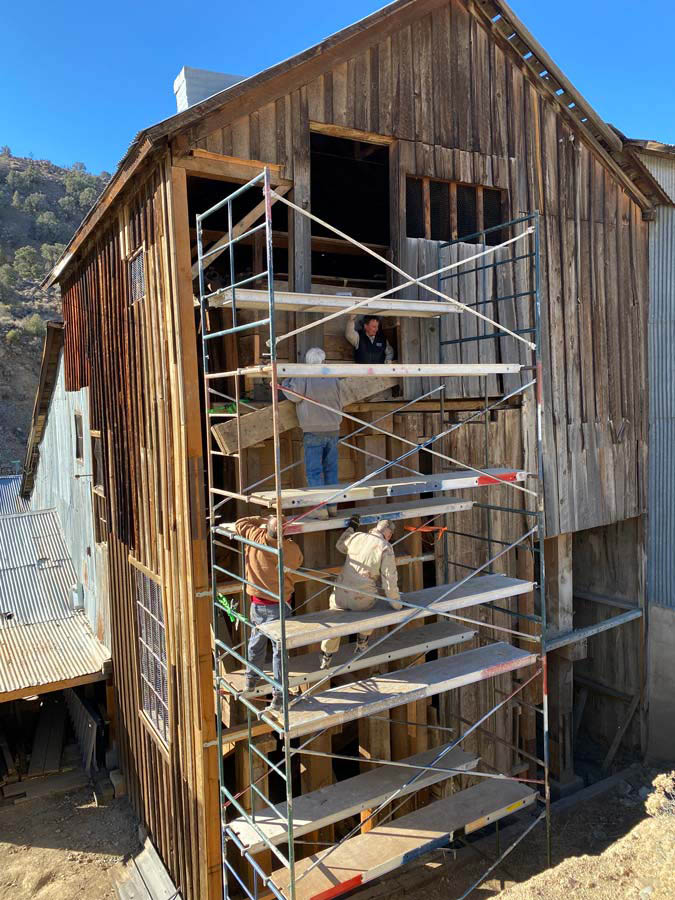
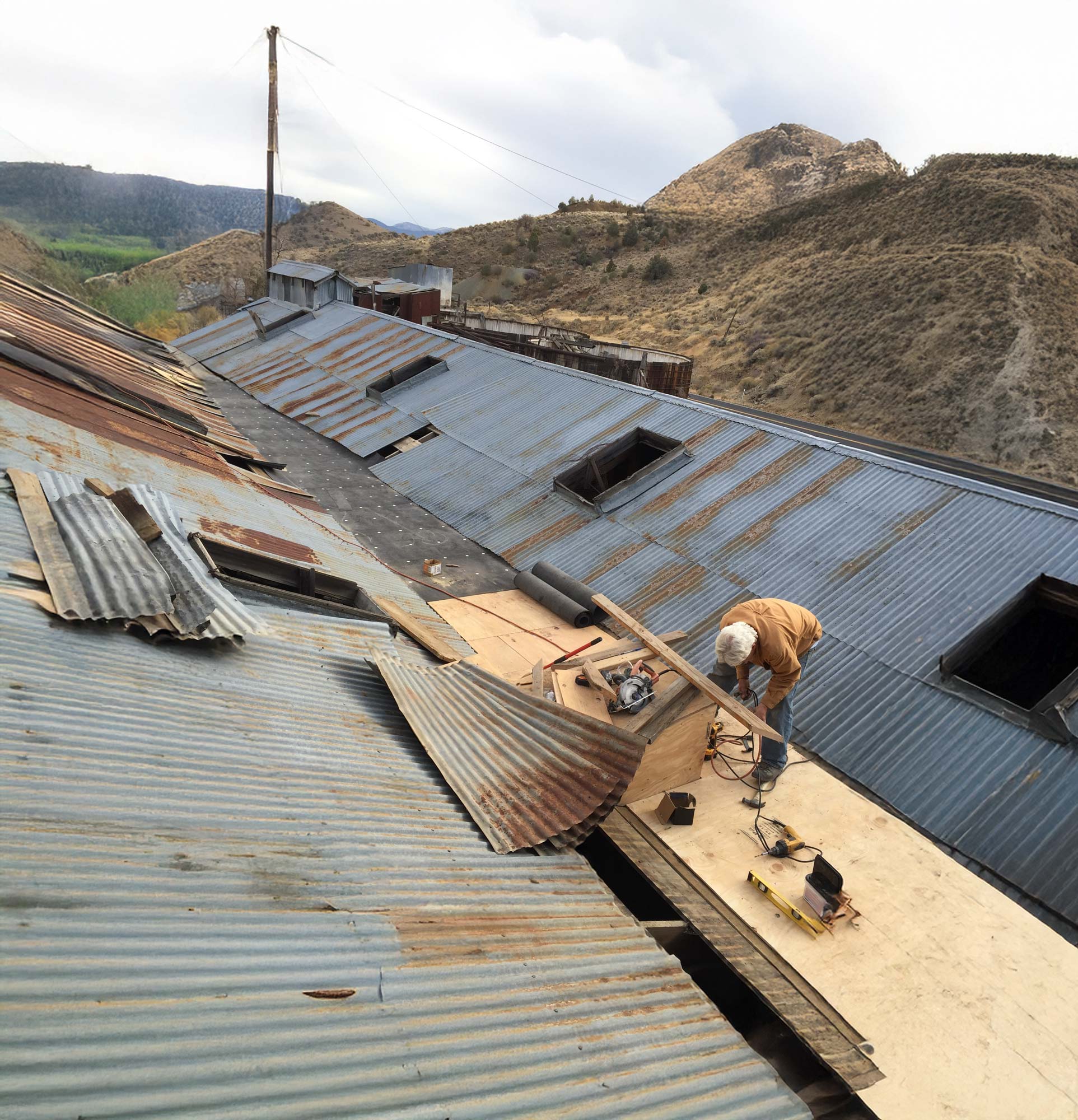
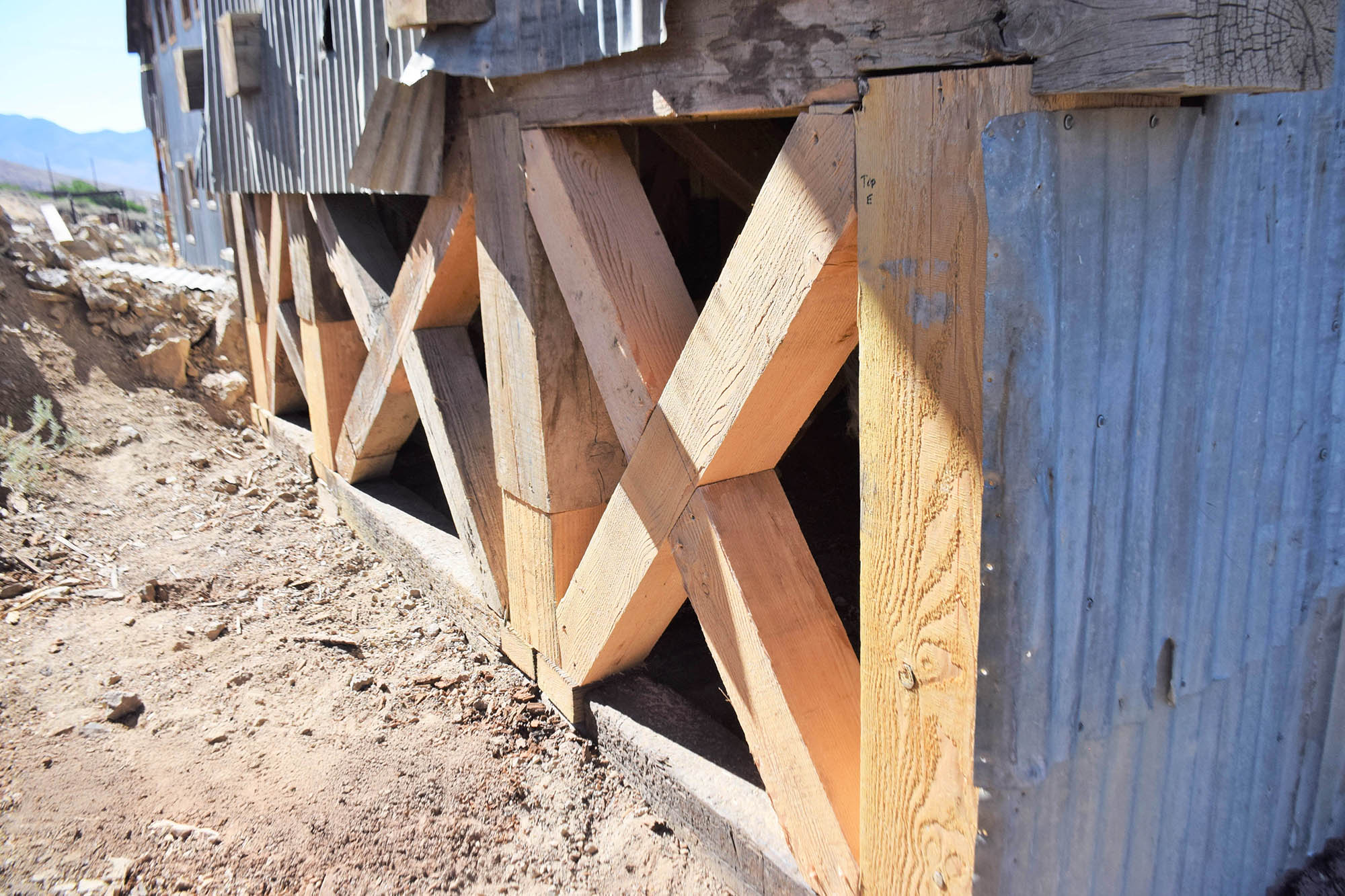
Spearheaded by volunteers from the Comstock Foundation for History and Culture, a major restoration effort began in 2014, aiming to stabilize the remaining structures, interpret the experiences of those who worked at the site, and document the mill’s impact on mining technology. Today, foundations and local organizations envision a fully developed interpretive center, complete with restored machinery and educational programming.
As the largest surviving stamp mill on the Comstock, the Donovan Mill offers tangible connections to Nevada’s mining heritage. It represents a chronicle of invention, adaptation, and family determination, and stands as a testament to the cycle of boom and bust, the march of technology, and the indomitable will of those who sought prosperity amid Nevada’s harsh landscapes.
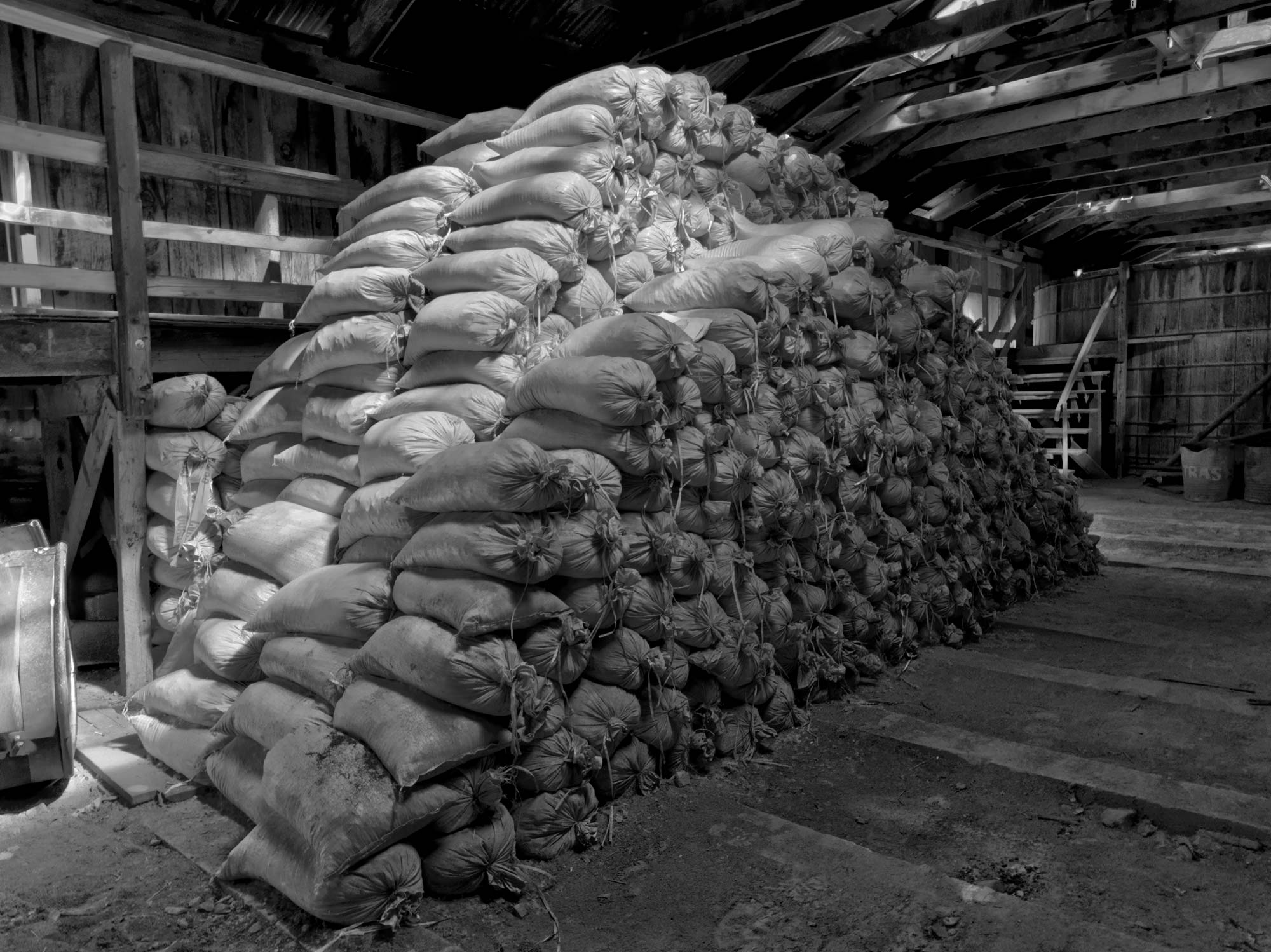
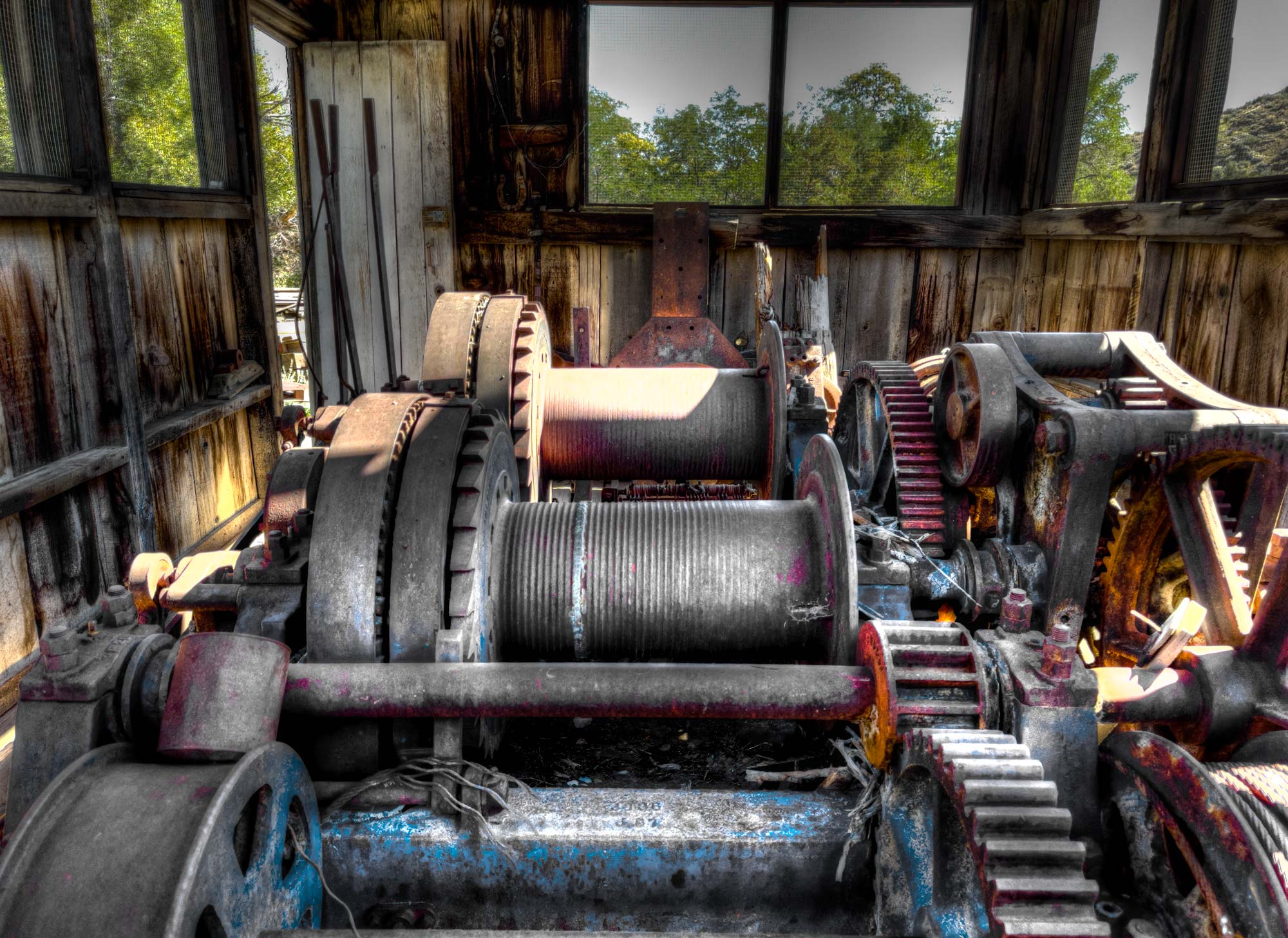
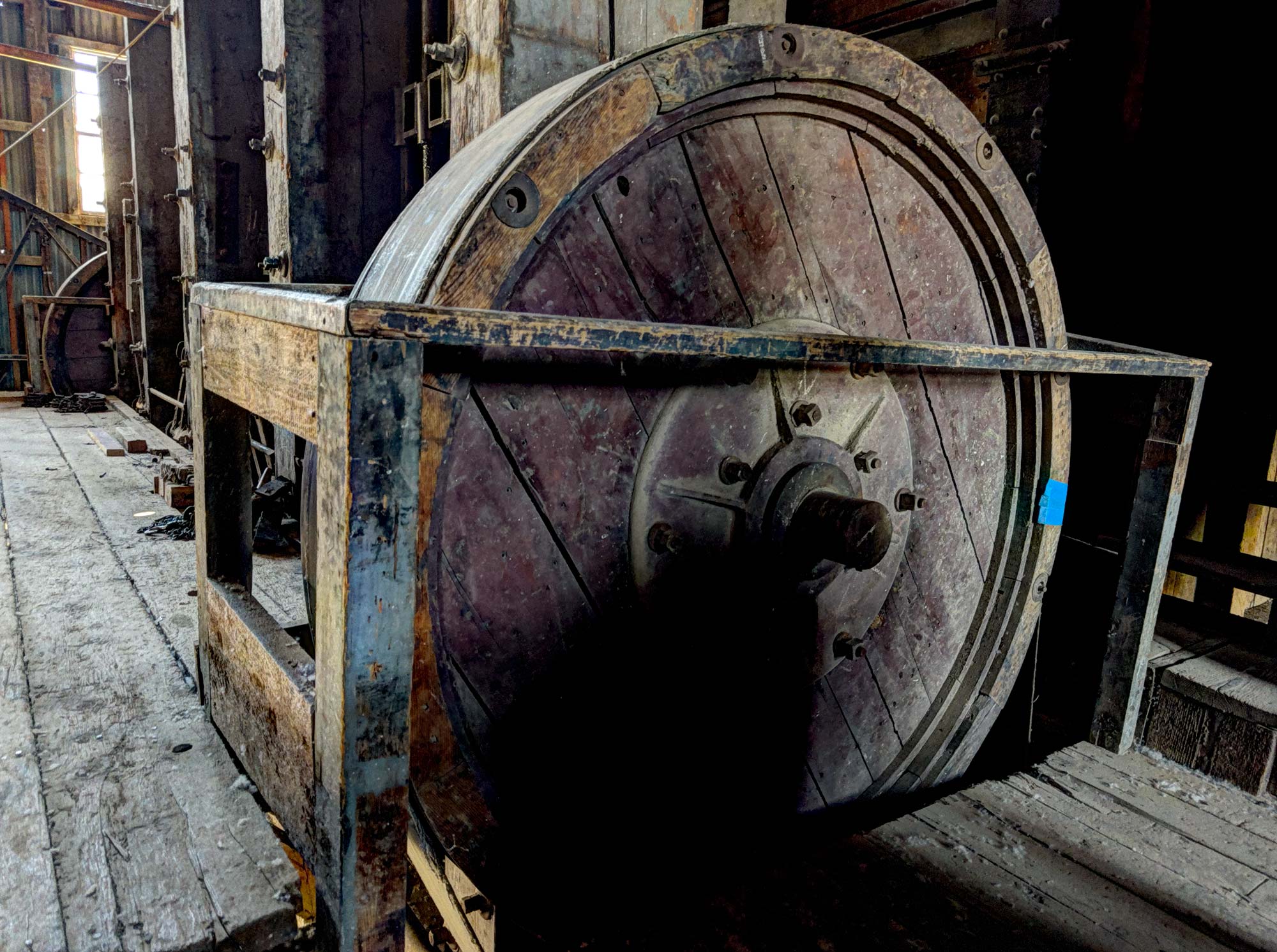
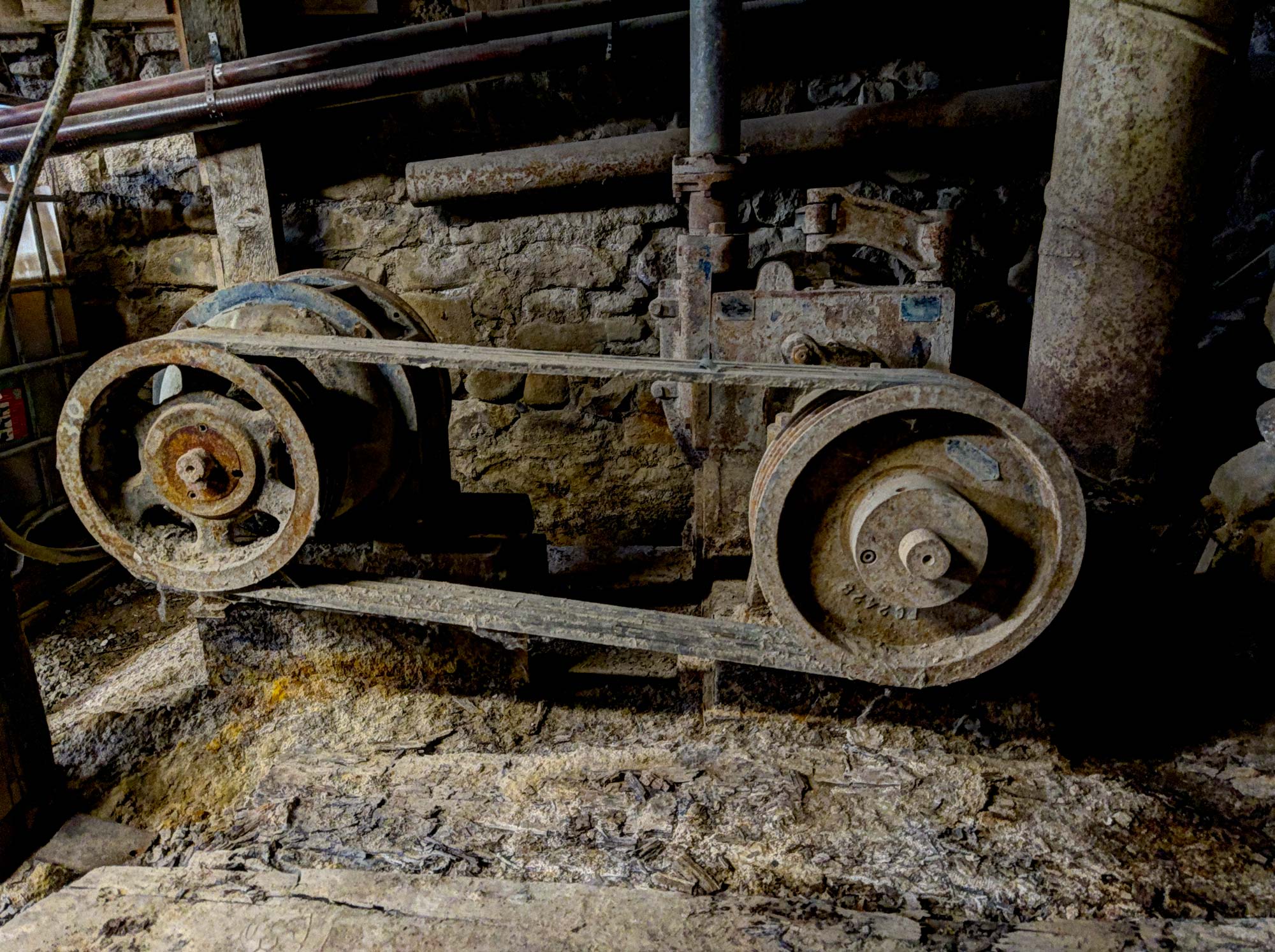
Gallery: A New Life for the Donovan Mill
Double-click for full screen view.
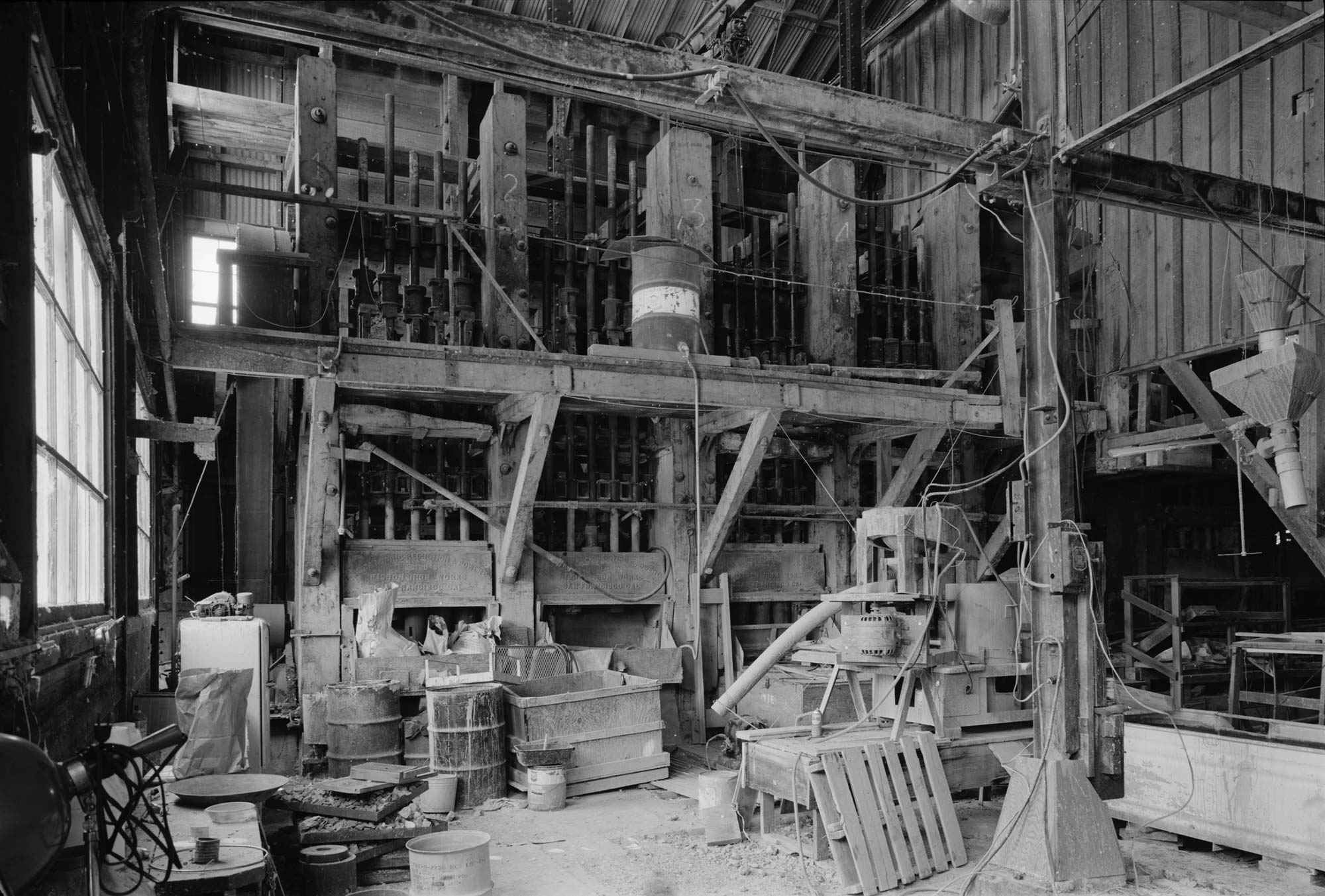
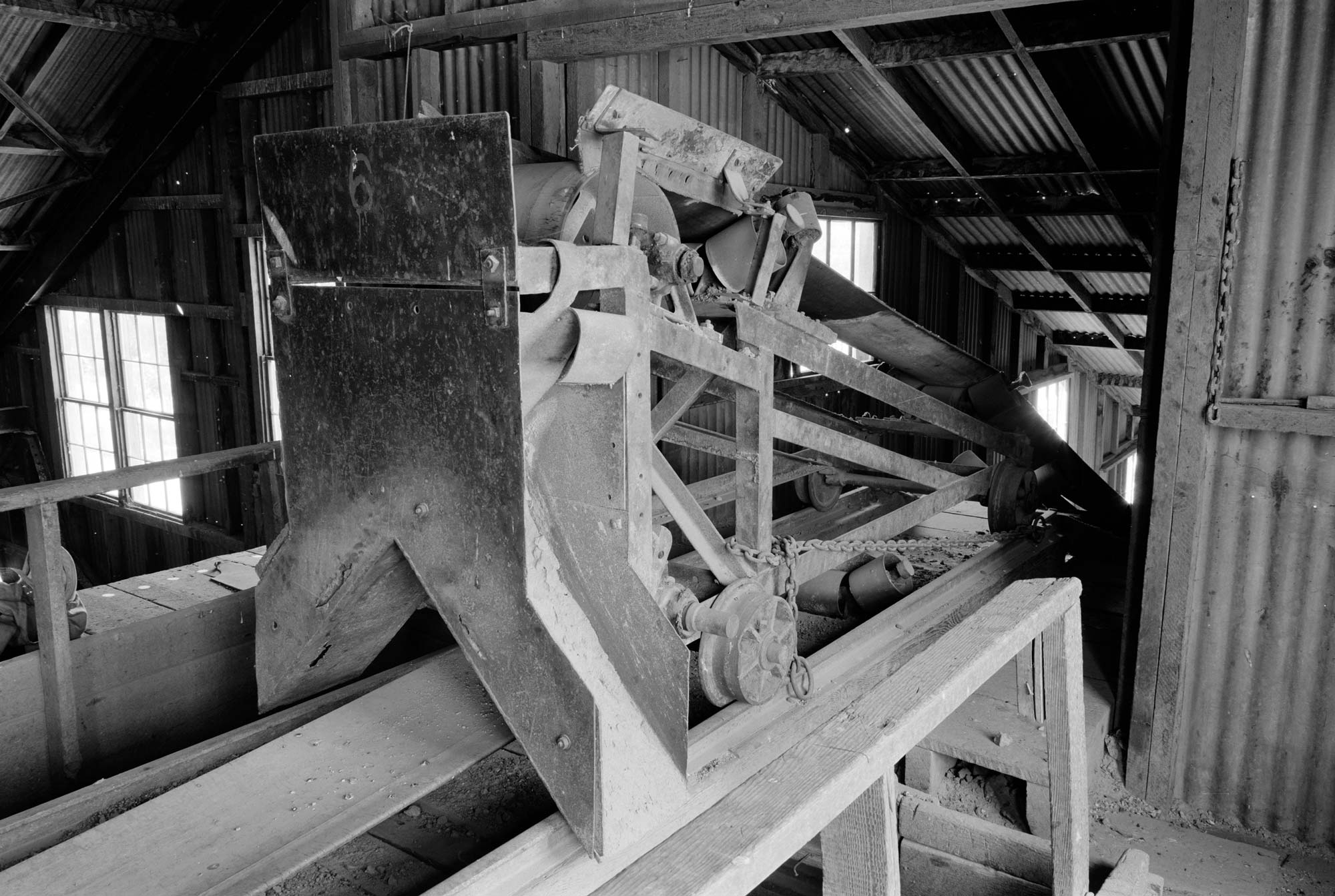
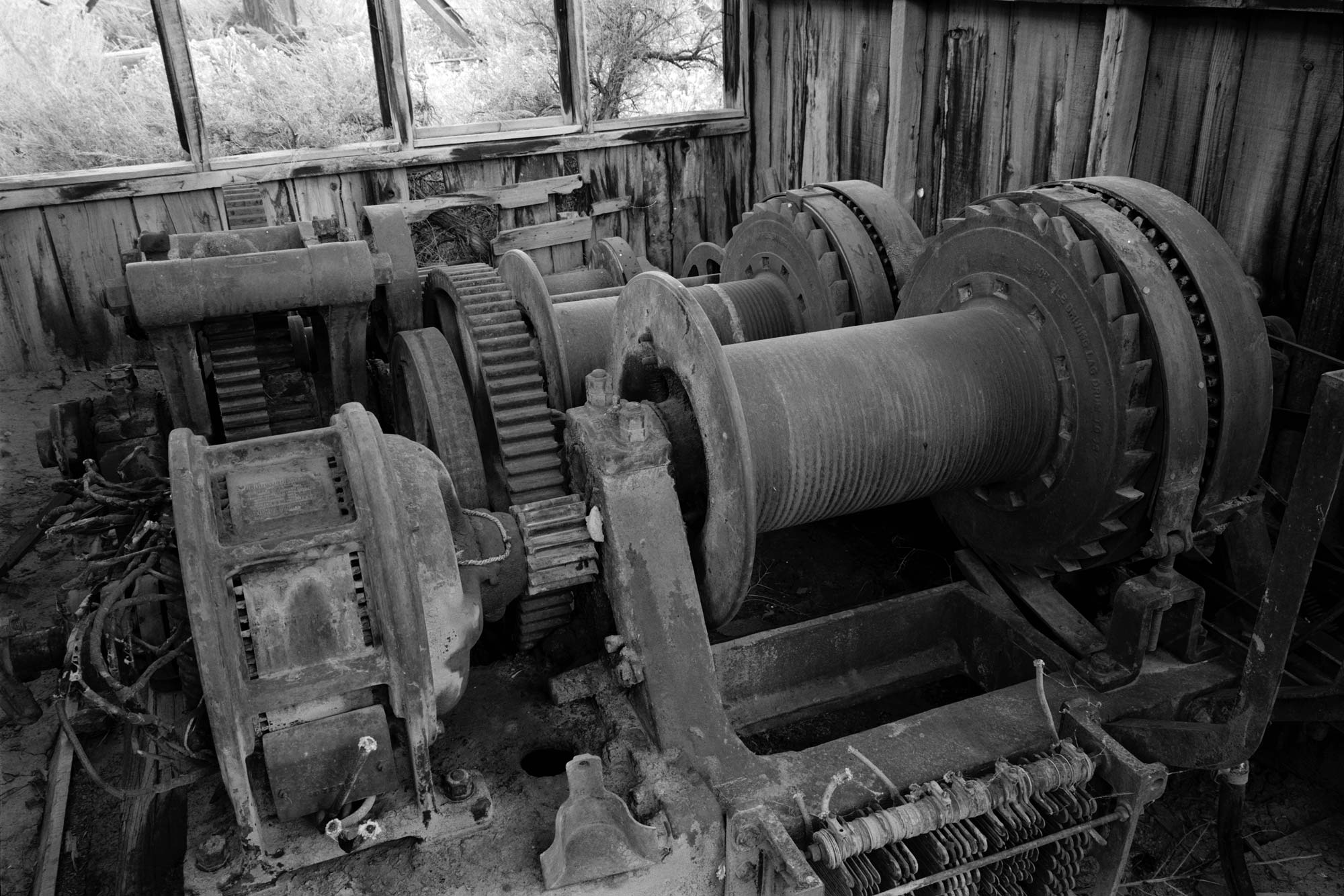
The photographs from 1980 that begin this gallery were shot by photographer Martin Stupich and are from the Historic American Engineering Record (HAER) project at the Library of Congress.
Many thanks to Don and Elaine Bergstrom and Larry Radford for their help with this page.
Parts of this page were drafted using AI technology; all content has been edited by the author.


No Comments