



24 Nov Palisade
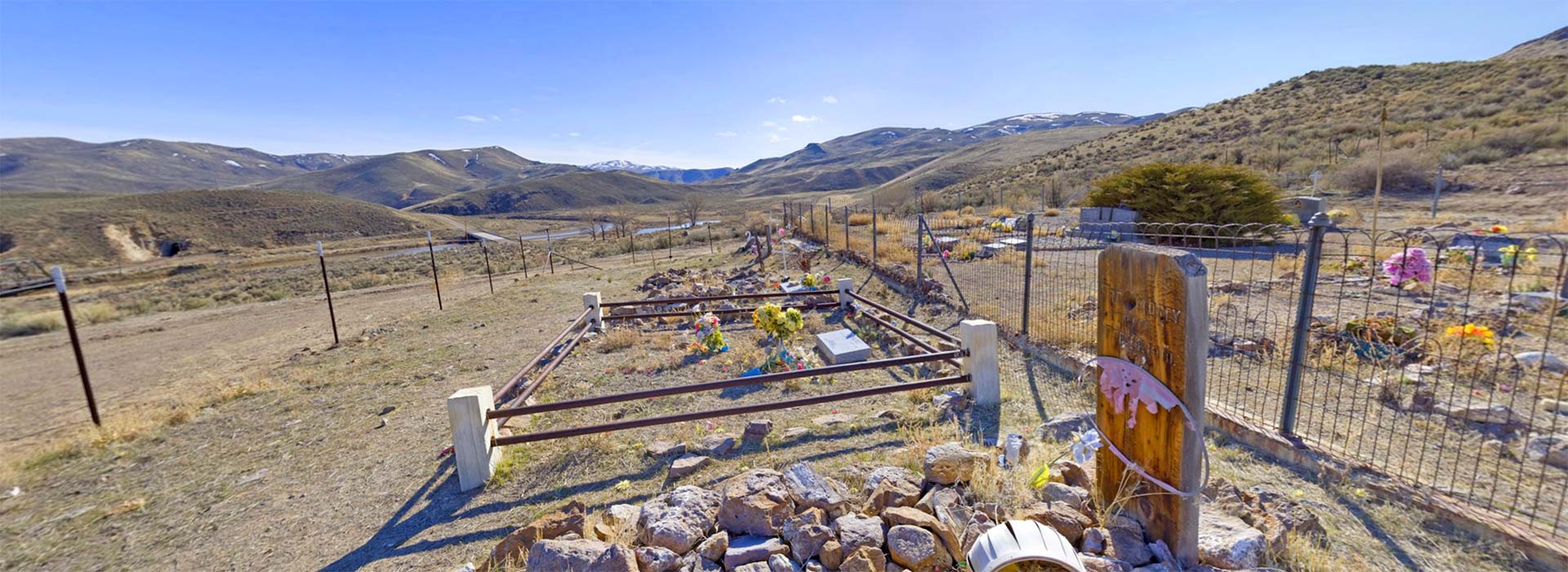
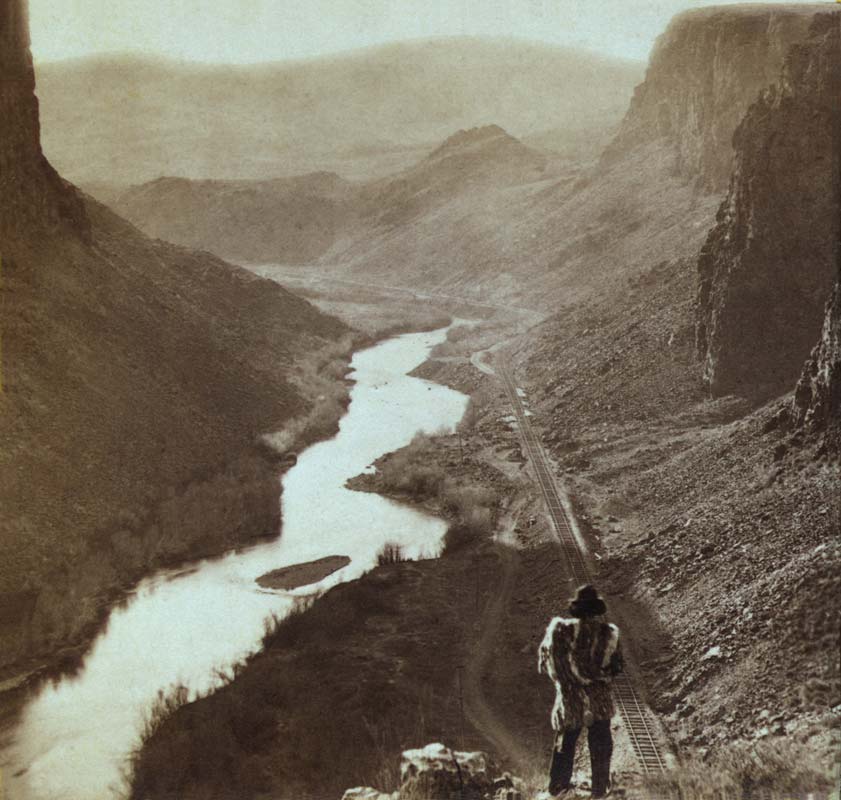
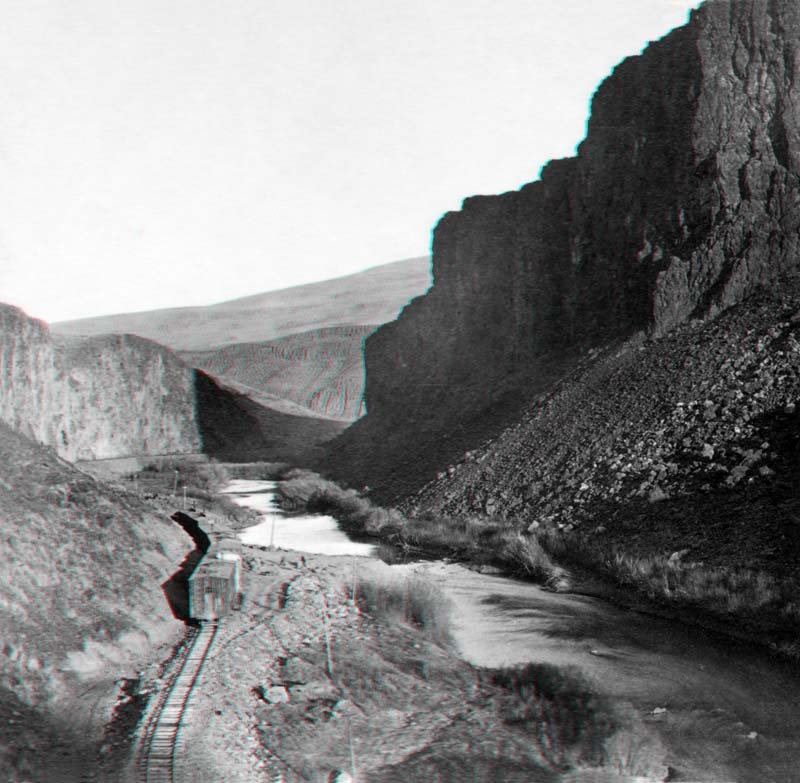
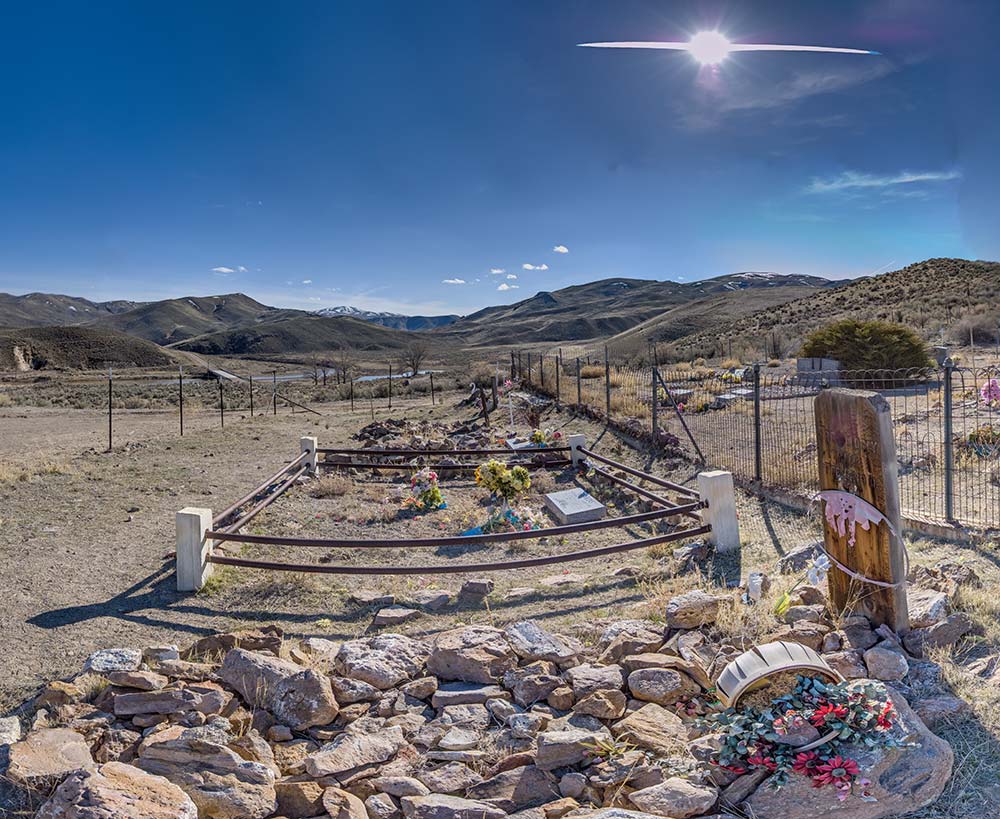
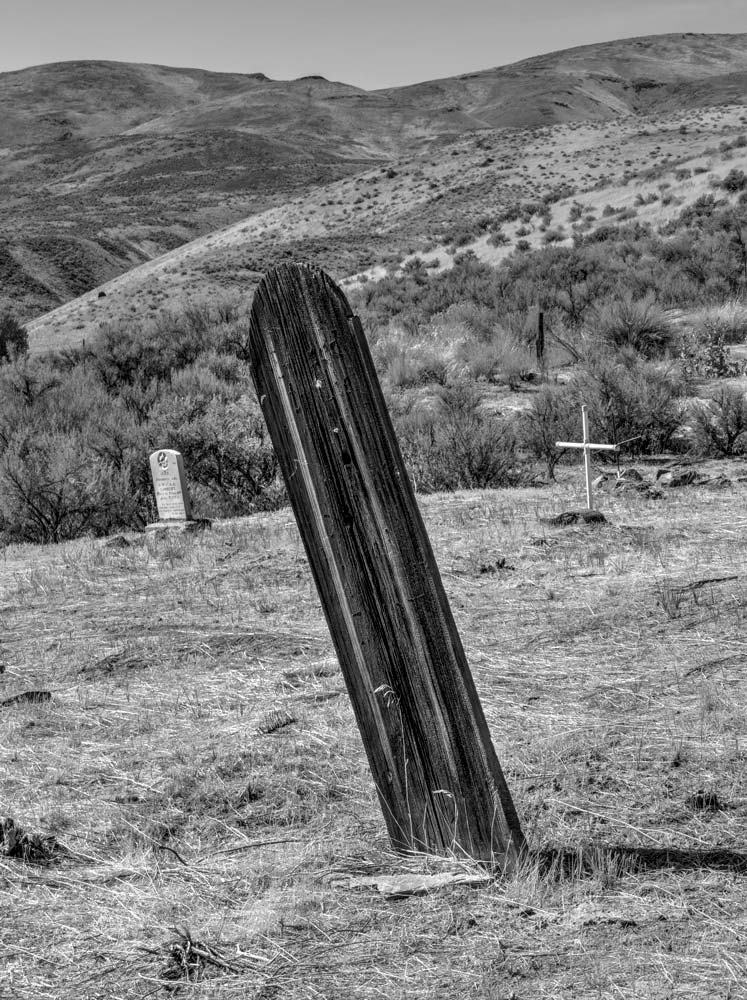
Beyond its burial grounds, there is little left of this mining and railroading settlement along the Humboldt River. Founded in 1868 as a station on the Transcontinental Railroad, the construction of the rail line through the towering rock walls of the canyon to the east inspired the railroad’s official photographer Alfred A. Hart to capture some of his most iconic images. One is on this page, below. Another two may be seen in the gallery at the bottom of the page.
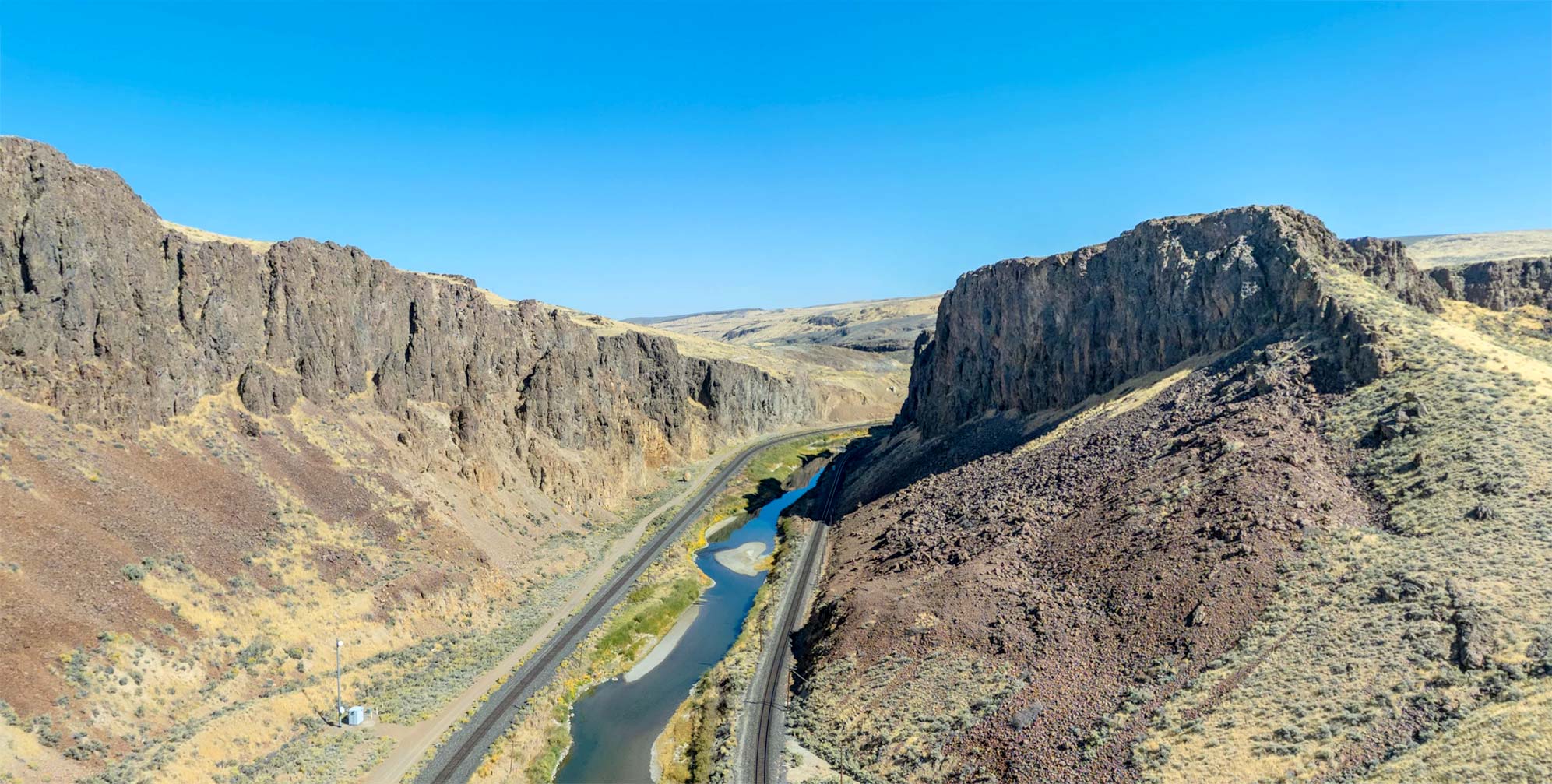
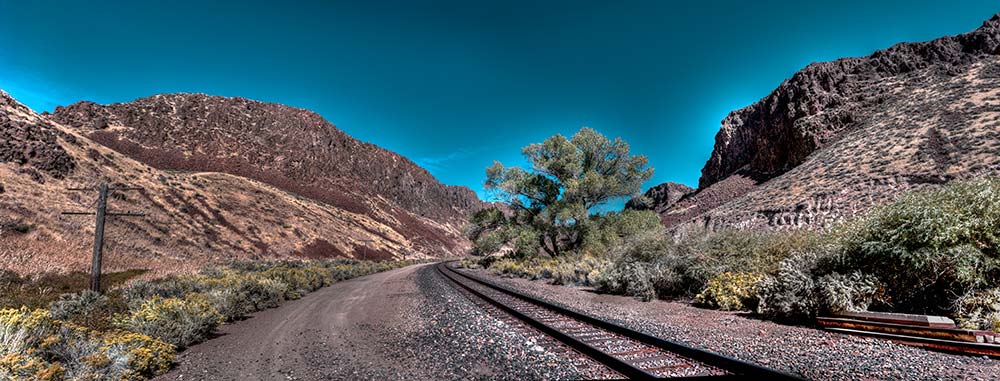
Located in the tank-like depths of Palisade (12-Mile) Canyon in Eureka County, Palisade was laid out by the Central Pacific Railroad in February of 1870. The construction of the railroad through Palisade Canyon was, after the peaks of the Sierra Nevada, the most difficult work the Central Pacific faced in building the western portion of the Transcontinental Railroad.
With the active end-of-track still 300 miles to the west, the railroad sent 3,000 Chinese workers to Palisade Canyon. Rails were laid on November 27, 1868, and train service to the nascent town began about six weeks afterwards.
As noted by railroad historian Wendell Huffman in our book Waiting for the Cars, “Railroad passengers thrilled at the passage through Palisade Canyon, and its stark beauty was extolled in travel guides to the Pacific railroad….By the 1880s, enterprising salesmen had painted large, glaring signs on the canyon walls, advertising various patent medicines.”
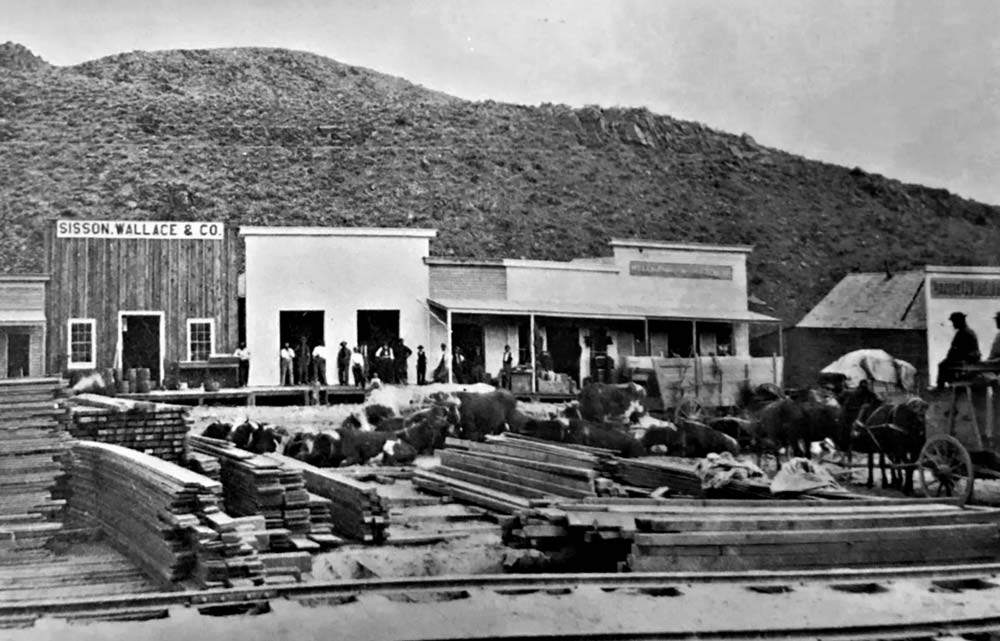
During the 1870s, it rivaled Elko and Carlin as a departure point for horse-drawn wagon and stage lines, as well as oxen-drawn freight lines, to Mineral Hill, Eureka and Hamilton. The Western Pacific Railroad later ran its rails through here in the early 1900s, over strenuous objections by the Southern Pacific (the successor to the Central Pacific). In the 1920s, however, the lines sensibly came up with a joint operating arrangement, with westbound trains on the original rails on the north side of the river, and eastbound trains on the south side.
Active mining in the area dates to 1881 when the Onondaga and the Zenoli silver mines became the principal producers within the Safford Mining District until they were abandoned in 1917.
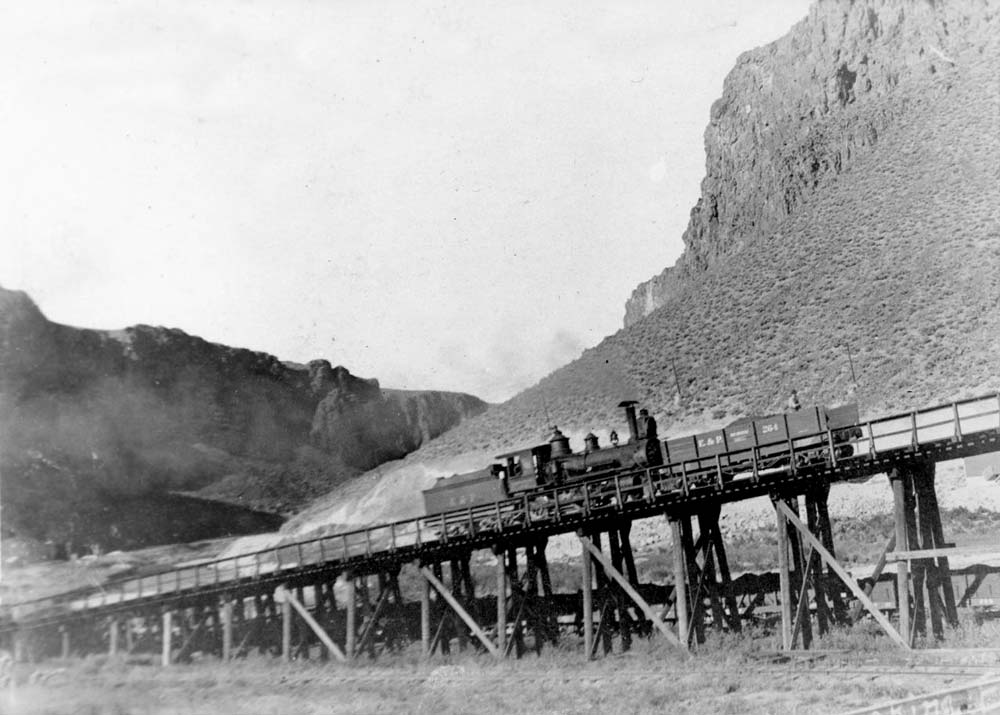
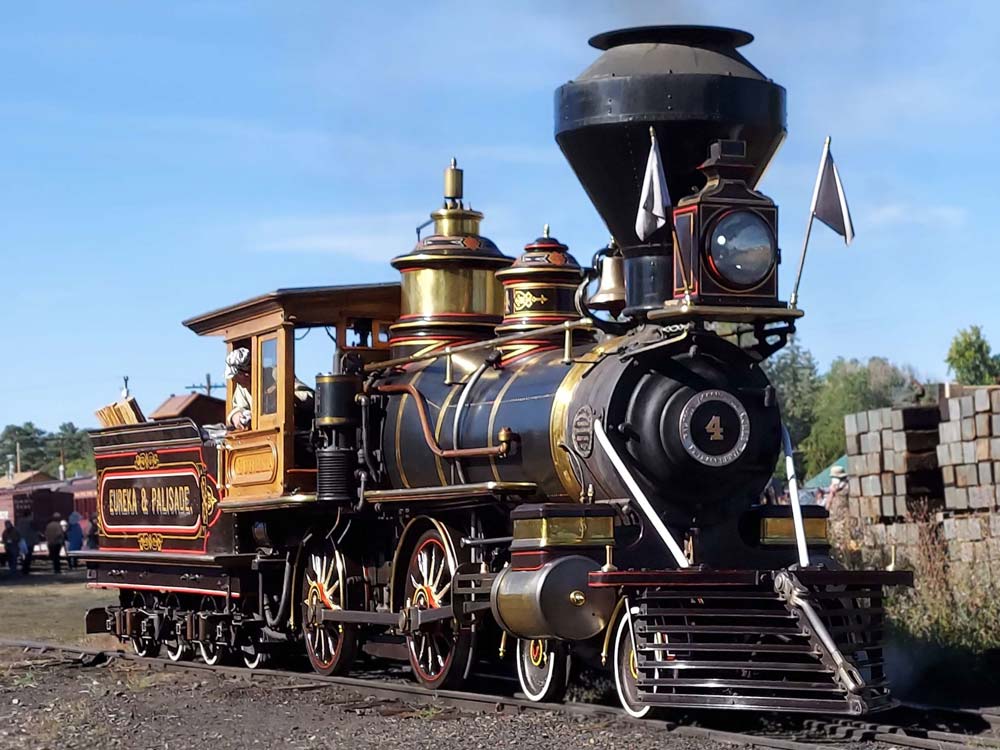
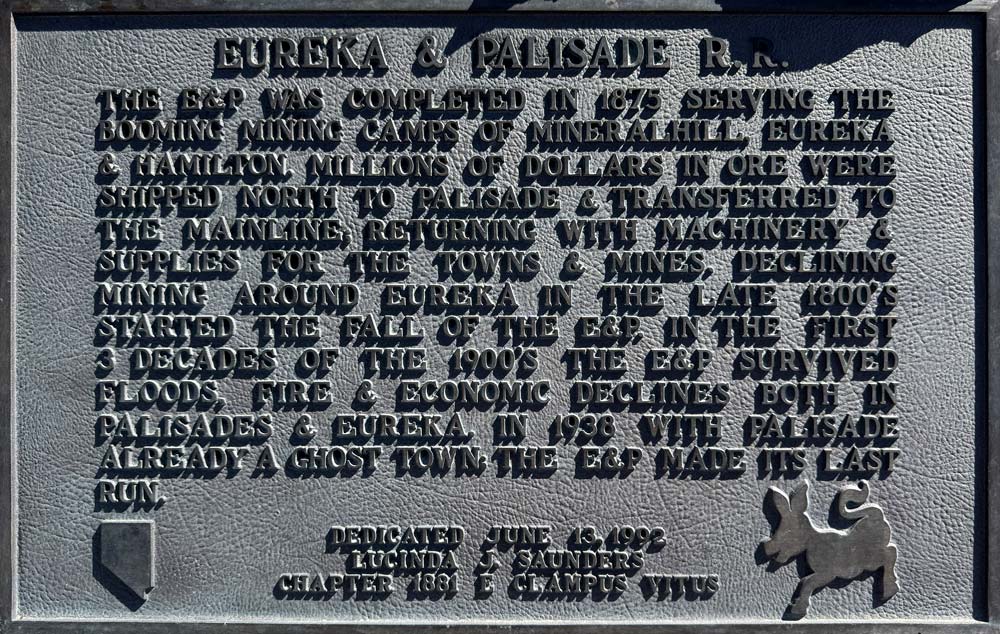
In October 1875, with completion of the Eureka and Palisade Railroad, Palisade became the northern terminus and operating headquarters for this ambitious 90-mile narrow gauge line that stretched southward to the major silver mines in Eureka. The town became the headquarters for the railroad and its four locomotives, 58 freight cars, and three gaudy yellow passenger coaches. Within five years, the railroad shipped more than 31 million pounds of silver-lead ore through Palisade for processing in Salt Lake City.
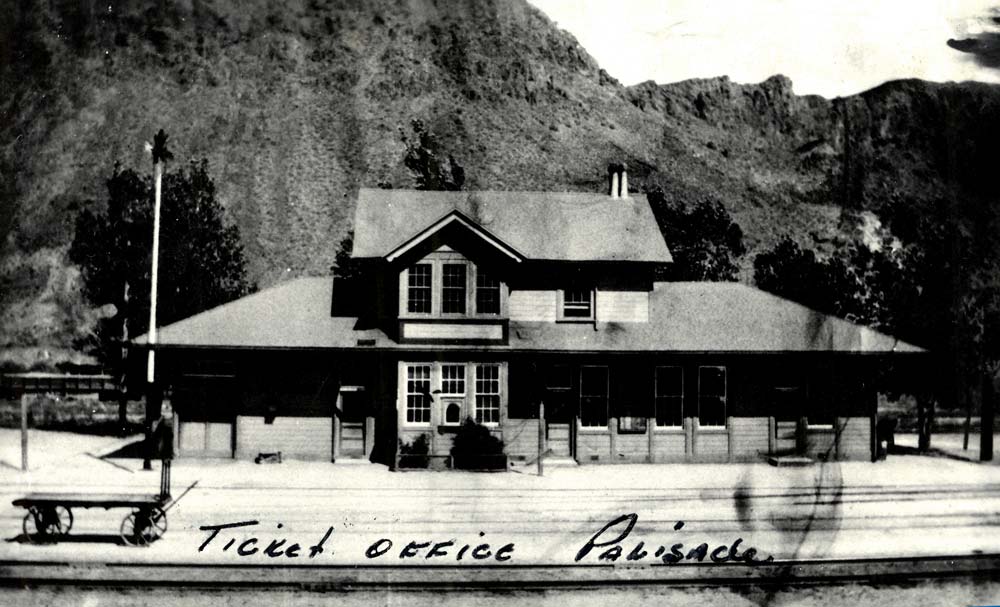
At its peak, Palisade boasted a population of 300. It was a self-contained community, and railroading was its business. Churches and a schoolhouse were built, and several fraternal organizations, including the International Order of Odd Fellows and the Masons, constructed beautiful lodges in the town.
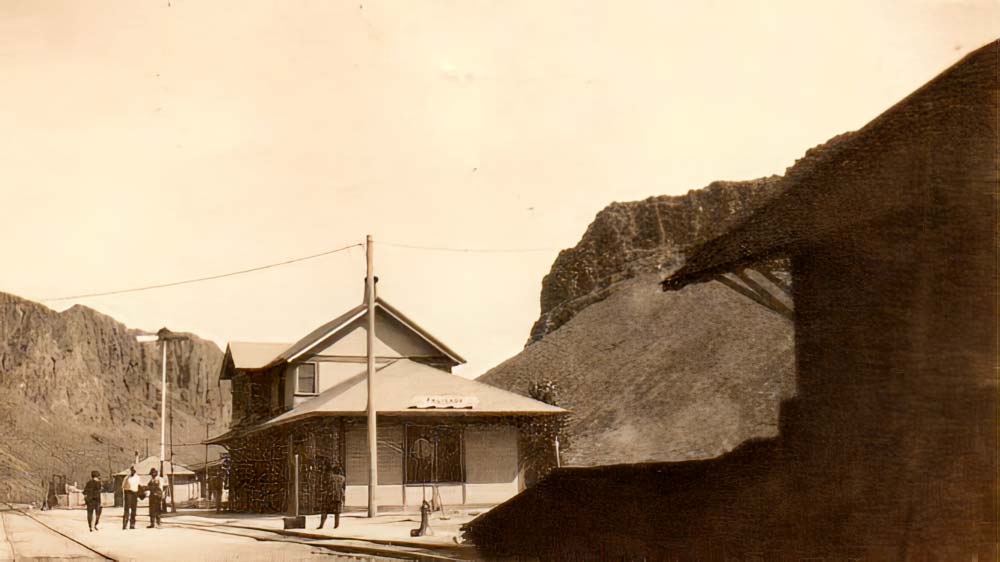
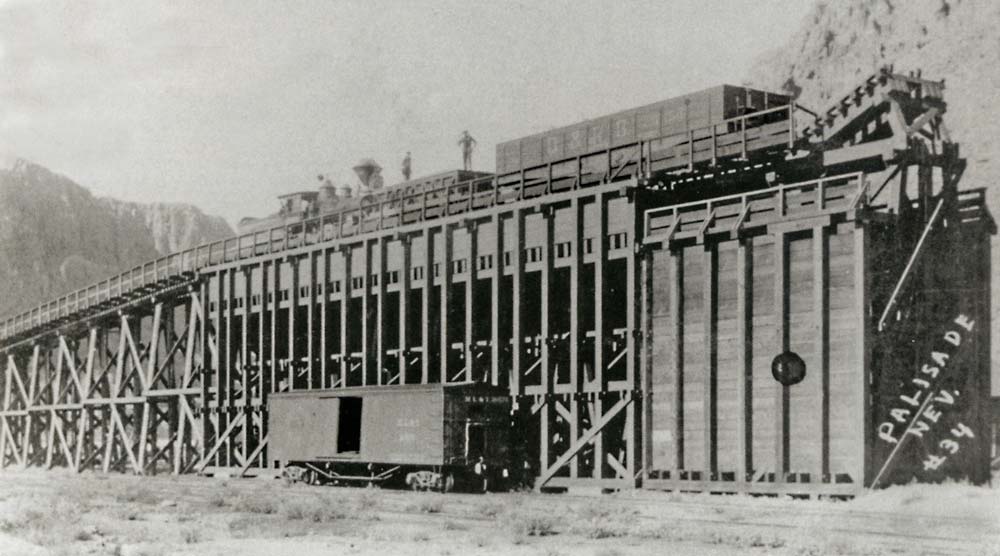
The railroad employed many of Palisade’s residents in a large shop where freight cars were manufactured. There were passenger and freight stations, and sidings on both the Southern Pacific and Western Pacific Railroads, and a large ore transfer dock between the narrow-gauge line south to Eureka and the standard gauge lines stretching east and west.
When the Eureka mines began to play out after 1885, the town began its long decline. Floods in 1910 destroyed much of the town and caused heavy damage to all three railroad lines.
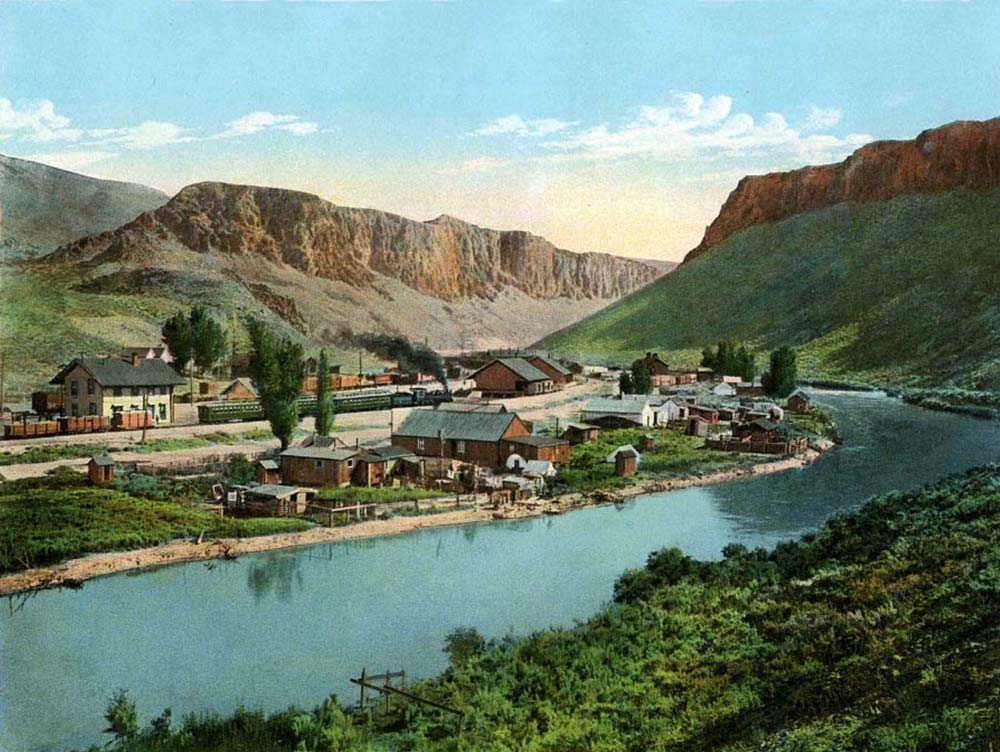
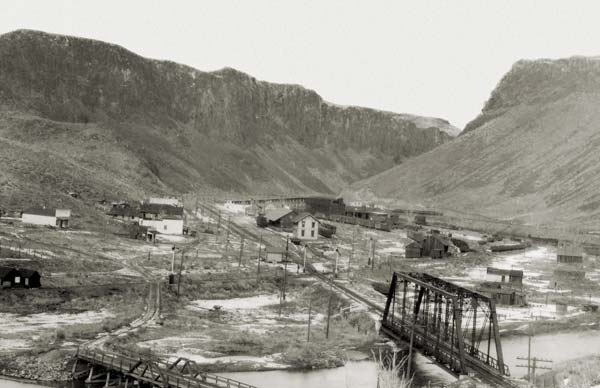
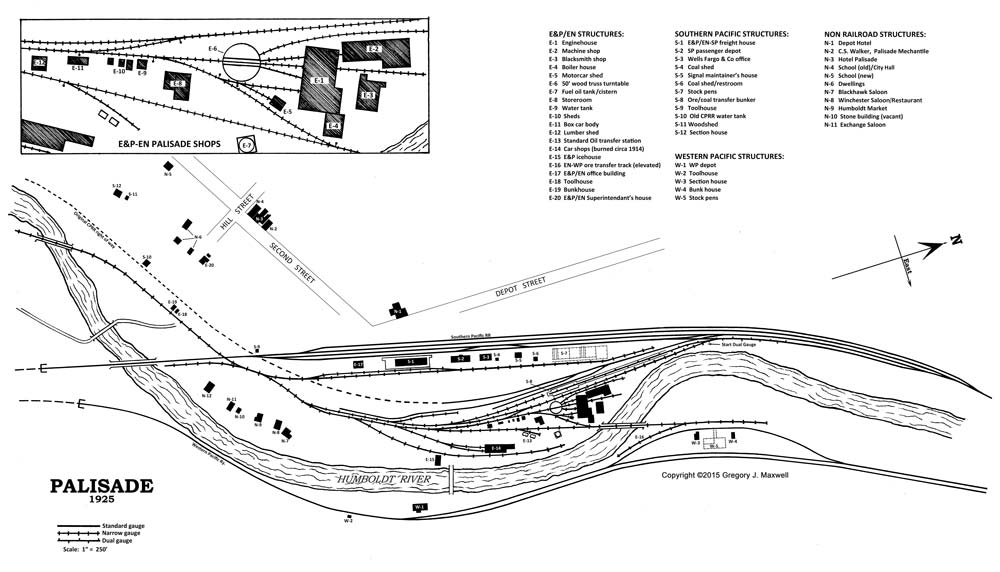
Click the above image to view this c. 1912 Palisade panorama in high resolution. This map may help in identifying features in the panorama.
The little town briefly entered the national spotlight just after the presidential election of 1932, when the New York Times noted, “Railroad officials were in disagreement tonight as to whether two men frightened away from the Southern Pacific right-of-way near Palisade, Nev., last night had planned an attempt to wreck the special train speeding President Hoover across the great American desert to California.”
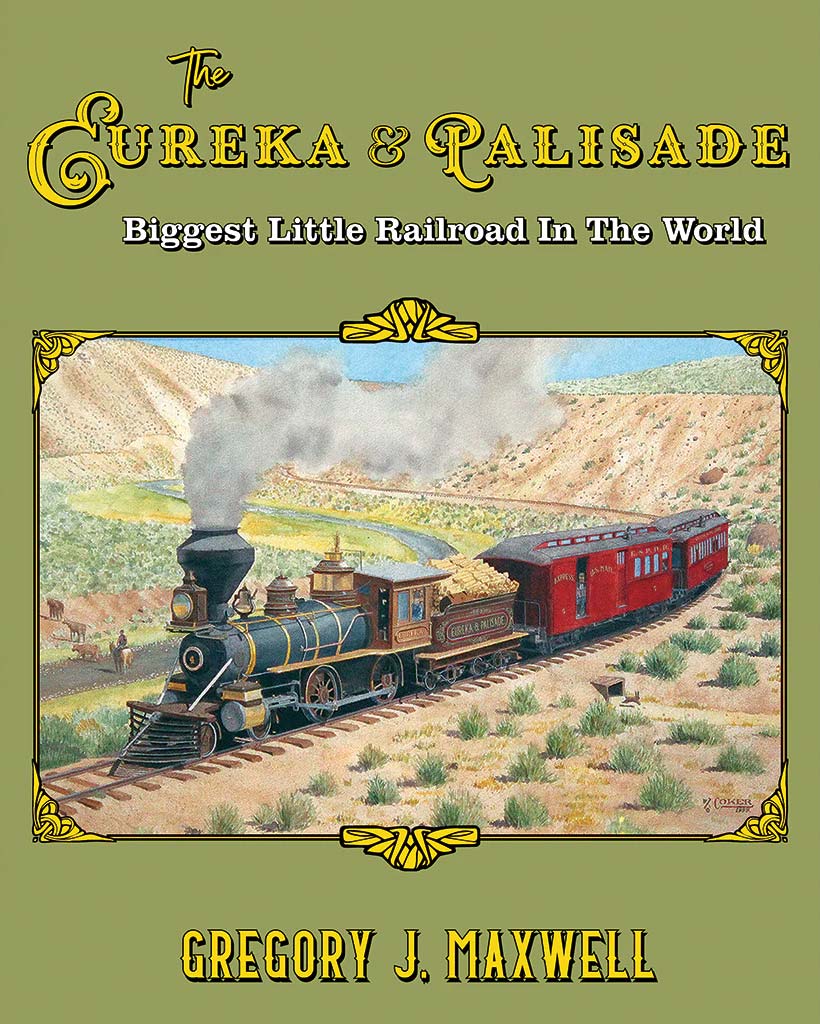
Daily life in Palisade, with little happening except trains arriving and trains departing, could be tedious. But, according to research done by Gregory J. Maxwell, the author of The Eureka & Palisade, Biggest Little Railroad in the World, some locals came up with an ingenious solution:
The E&P’s daily passenger train would arrive midmorning and tie up alongside the platform to meet the Central Pacific’s crack train, the Pacific Express. The E&P’s train of canary yellow cars would loiter at the depot until the departure of the eastbound Atlantic Express in the afternoon. This would be the pattern, day in and day out, until a couple of locals, presumably over liquid refreshments, came up with a plan to spice up Palisade’s dull existence.
Frank West, a cowboy who worked on one of the local ranches, and Allen Kitterby, a resident cattle buyer, watched trains full of greenhorns roll through town. The two figured if these pilgrims had journeyed all the way across the vast American continent to see the “Wild West,” then that is what they would get.
One morning, as the CP’s Train 2 slowed to a stop at the Palisade depot, the passengers sat agape in terror and excitement. West and Kitterby, after exchanging profanities, shot it out with pistols, leaving Kitterby lying on the depot platform in a pool of slaughterhouse blood. Then the extras in their dime novel drama carried Kitterby from the field of battle and West was subdued and apprehended. The citizens of Palisade were so amused at their little joke that it was repeated in endless variation for three more years. As soon as the depot platform filled with travelers seeking exercise, the pretend mayhem would commence.
After watching a wild shootout at Palisade, a traveling reporter for Virginia City’s Territorial Enterprise wrote: “The credulity of the Western-bound emigrant had passed into a proverb. For the most part, Palisade’s running prank was never exposed and countless settlers went to their graves believing that Palisade was the roughest town in the West.
“The E&P’s daily passenger train would arrive midmorning and tie up alongside the platform to meet the Central Pacific’s crack train, the Pacific Express. The E&P’s train of canary yellow cars would loiter at the depot until the departure of the eastbound Atlantic Express in the afternoon. This would be the pattern, day in and day out, until a couple of locals, presumably over liquid refreshments, came up with a plan to spice up Palisade’s dull existence.
Frank West, a cowboy who worked on one of the local ranches, and Allen Kitterby, a resident cattle buyer, watched trains full of greenhorns roll through town. The two figured if these pilgrims had journeyed all the way across the vast American continent to see the “Wild West,” then that is what they would get.
One morning, as the CP’s Train 2 slowed to a stop at the Palisade depot, the passengers sat agape in terror and excitement. West and Kitterby, after exchanging profanities, shot it out with pistols, leaving Kitterby lying on the depot platform in a pool of slaughterhouse blood. Then the extras in their dime novel drama carried Kitterby from the field of battle and West was subdued and apprehended. The citizens of Palisade were so amused at their little joke that it was repeated in endless variation for three more years. As soon as the depot platform filled with travelers seeking exercise, the pretend mayhem would commence.
After watching a wild shootout at Palisade, a traveling reporter for Virginia City’s Territorial Enterprise wrote: “The credulity of the Western-bound emigrant had passed into a proverb. For the most part, Palisade’s running prank was never exposed and countless settlers went to their graves believing that Palisade was the roughest town in the West.”
The railroad tracks to Eureka were pulled up in 1938, and the town went into its death spiral. The post office, however, was not closed until 1962.
Palisade Gallery
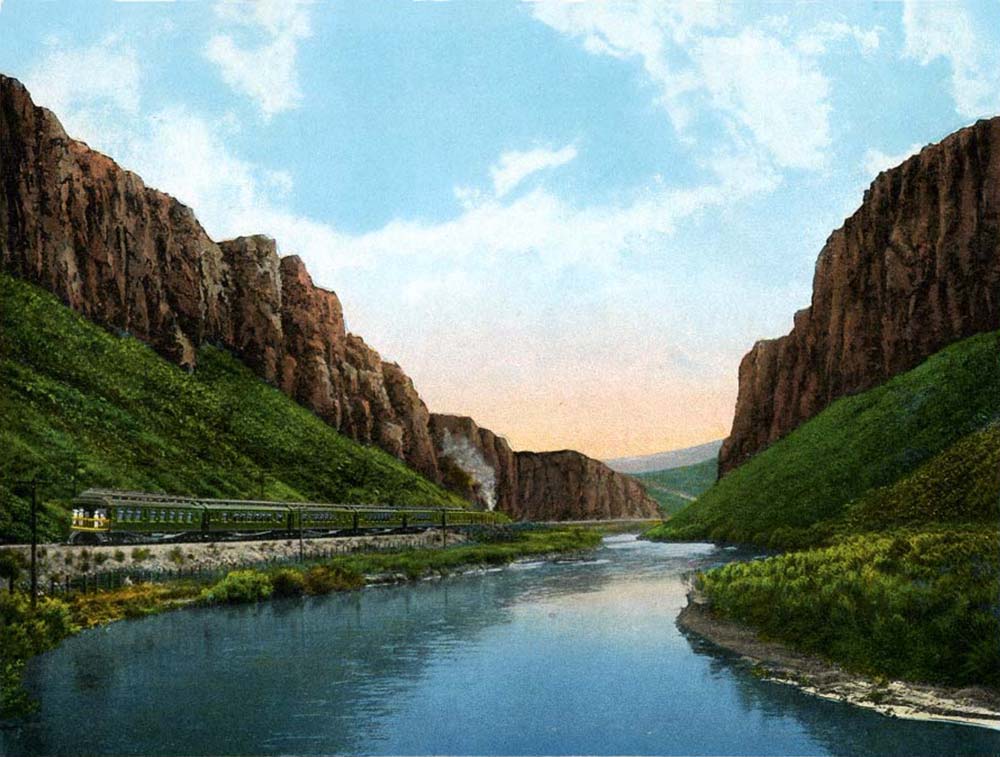
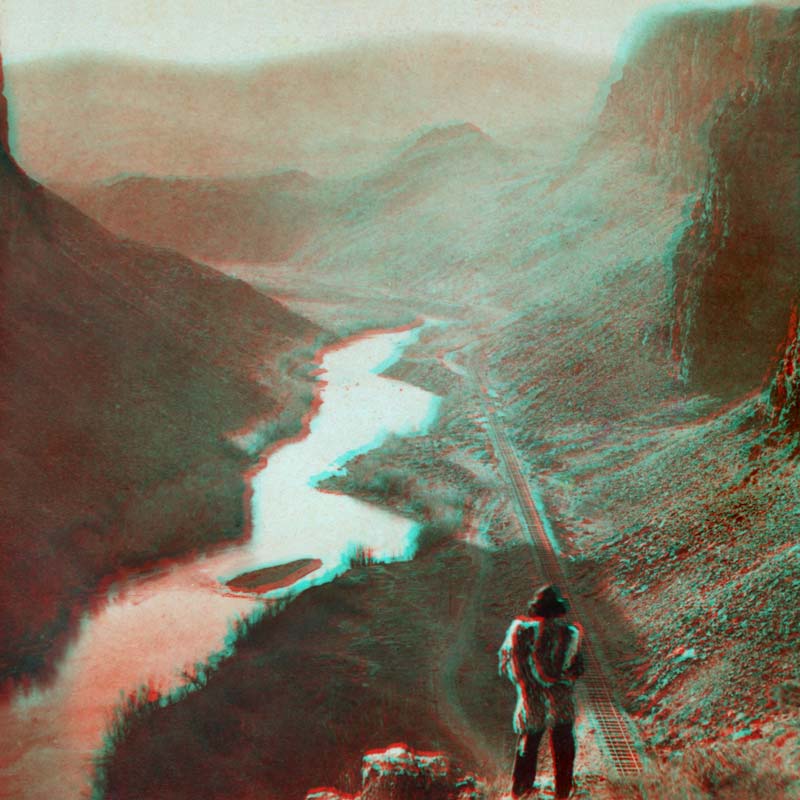
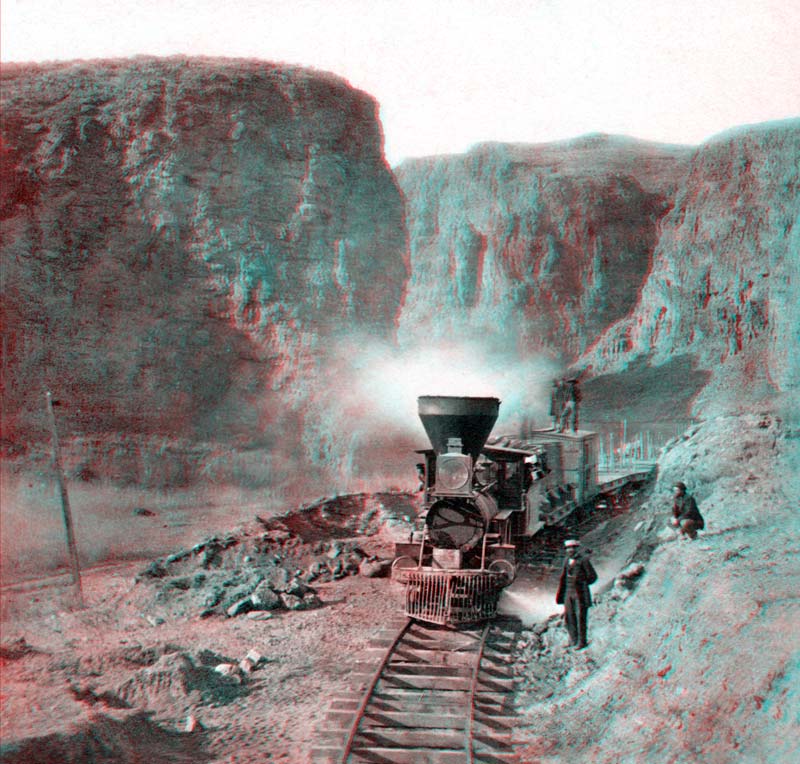
Click here to see the location of Palisade in Google Maps.
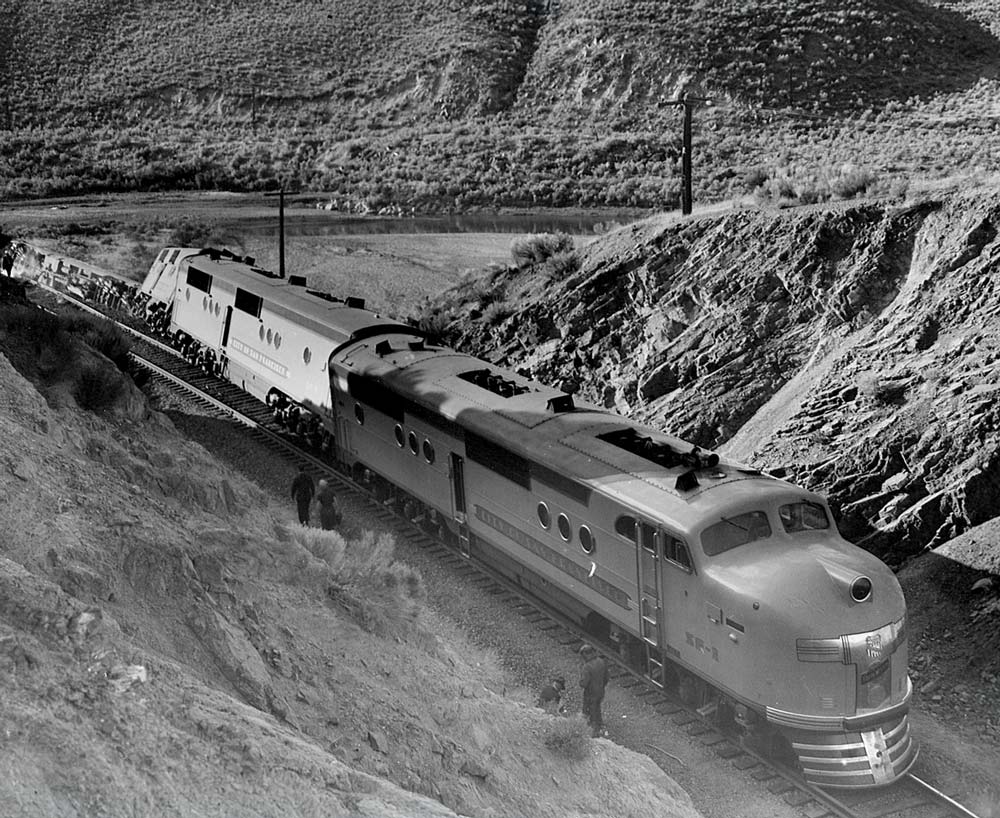
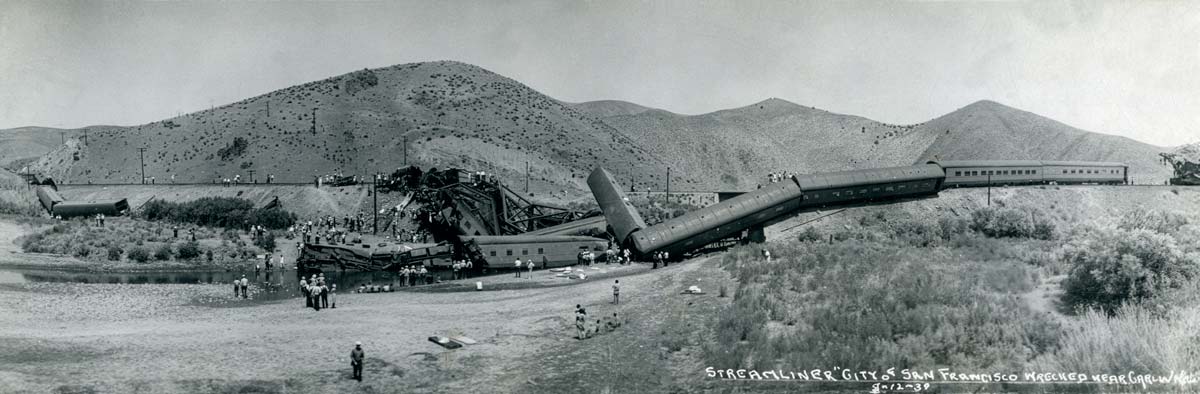
On August 12, 1939 the luxurious streamliner “City of San Francisco” derailed seven miles east of Palisade, killing 24 and injuring 121. The train, which carried passengers between Oakland, CA and Chicago, IL, derailed at a high embankment next to a bridge over the Humboldt River, along a curve in a canyon. The cause of this tragedy, the most serious rail accident in Nevada history, is still debated today. The Southern Pacific Railroad maintained that sabatoge, by unknown actors for an unknown reason, caused the accident. Others point to evidence that the train’s engineer, behind schedule, was exceeding safe speeds in order to make up time. Years of detective work by the railroad and the FBI turned up evidence, perhaps fabricated, and no convictions were ever made. Read more here.


No Comments